
What is ECIF?
ECIF (End Customer Investment Funds) is COGS and OPEX funding set aside to fund specific programs that pay for services benefiting end customers, supporting the demonstration, deployment, and usage of Microsoft products and solutions. It's a critical engine for landing and growing strategic deals globally. Before this work, ECIF was largely run on Excel templates and email threads.
Manual, Fragmented Workflows at Global Scale
- Highly Manual Workflow: Reliance on Excel templates and email exchanges created significant delays, inaccuracies, and administrative overhead.
- Scalability Issues: Existing processes were inadequate for handling a growing global volume of funding requests, impacting overall productivity.
- Fragmented Workflows & Risk: Fragmented workflows caused errors in funding allocation, risking program effectiveness and stakeholder trust.
Who We Designed For
Microsoft Sellers
Request ECIF funding and manage programs while trying to move deals forward without getting buried in admin.
External Suppliers
Deliver funded services against clear scopes, milestones, and timelines, and need predictable approvals and payments.
Internal Stakeholders
Approvers, finance, and operations teams who must track requests, ensure compliance, and audit changes across a global program.
User Research – Core Features
After converting Excel-based templates to a web experience, I interviewed sellers, suppliers, and internal stakeholders to identify where manual pain persisted and which parts of the flow still broke down in real usage.
- Interviewed users post-migration to identify pain points inherited from the manual workflows.
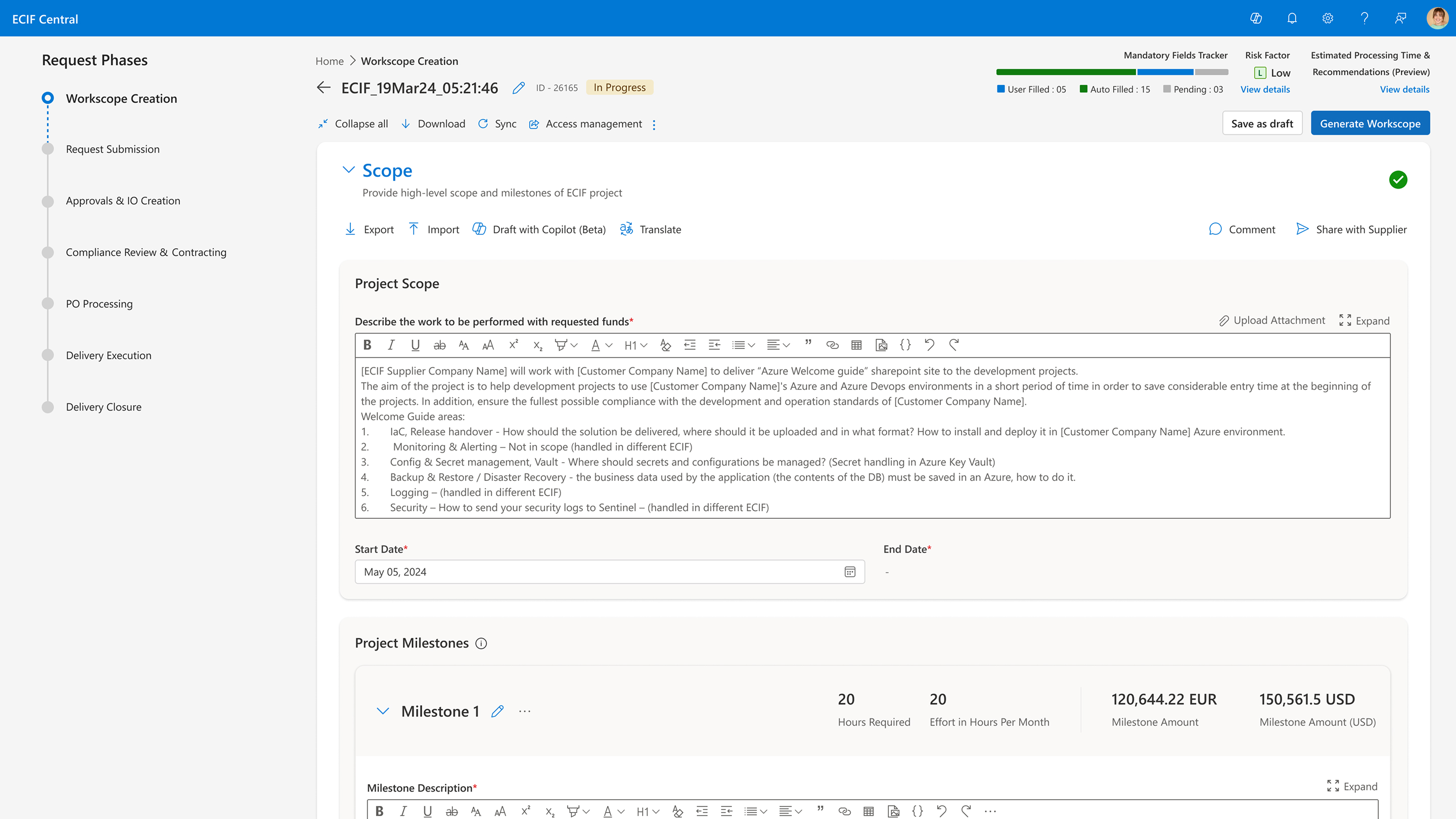
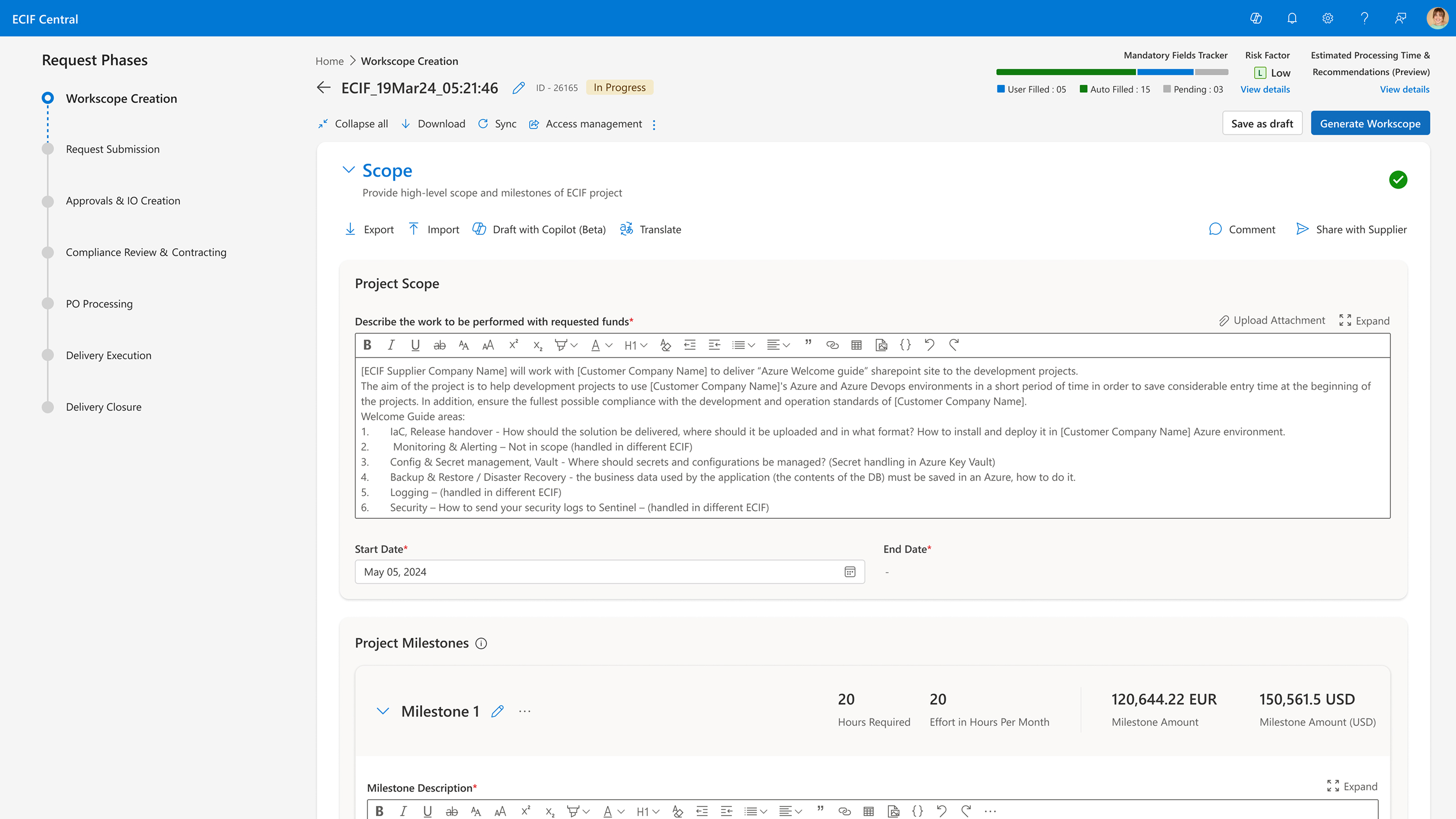
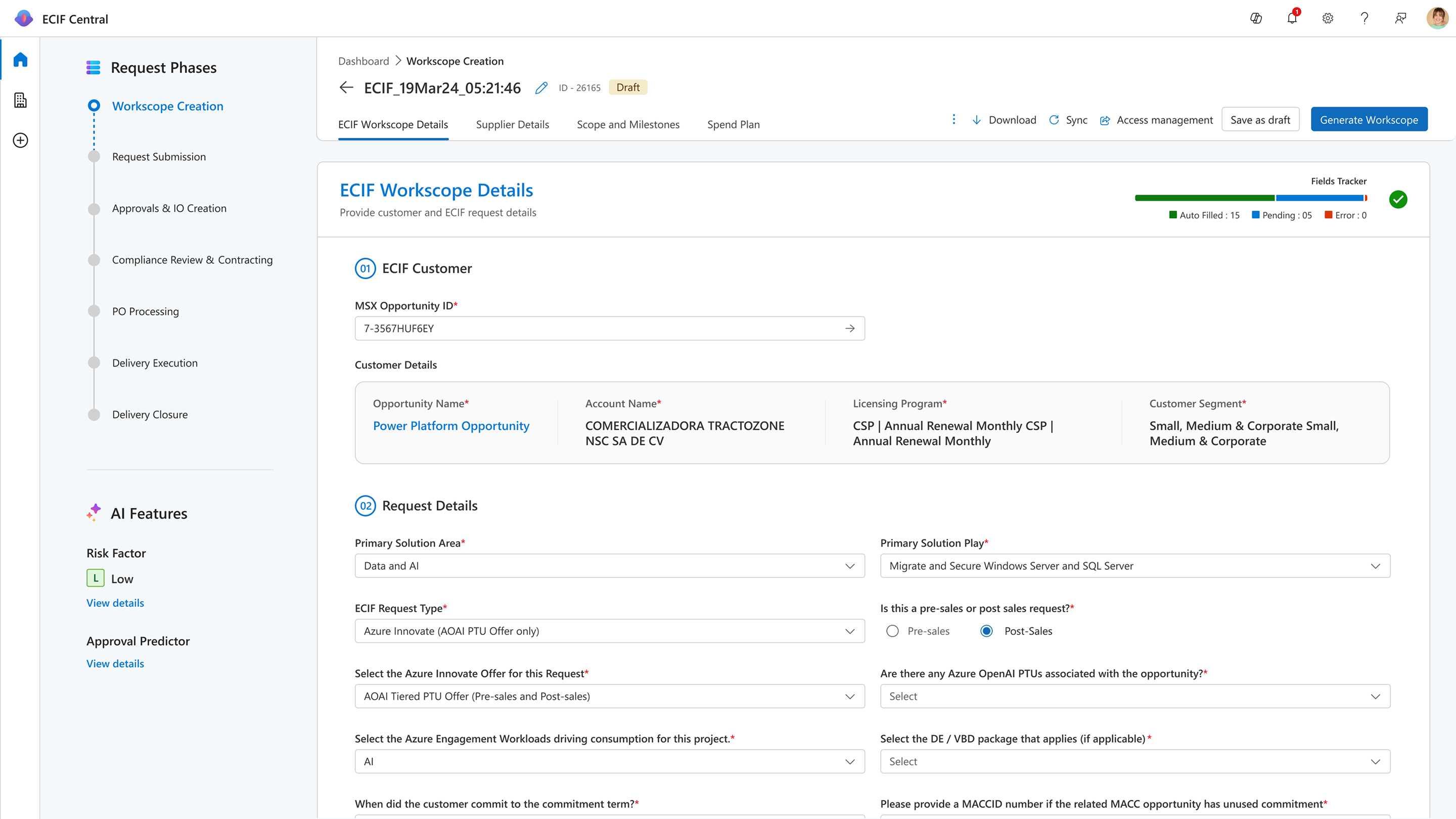
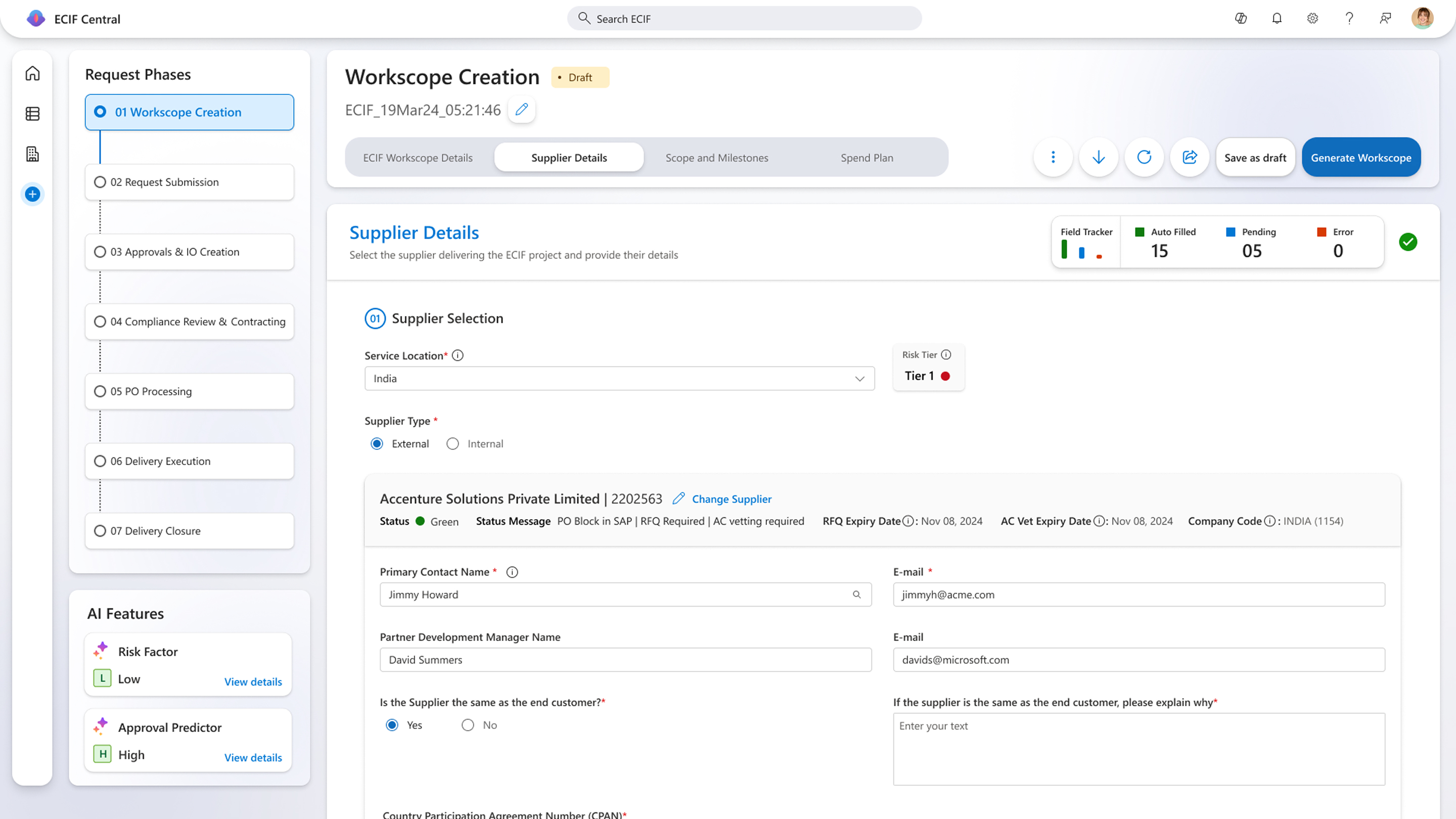
- Simplified multi-step workscope creation into a single-page form for efficiency and fewer errors.
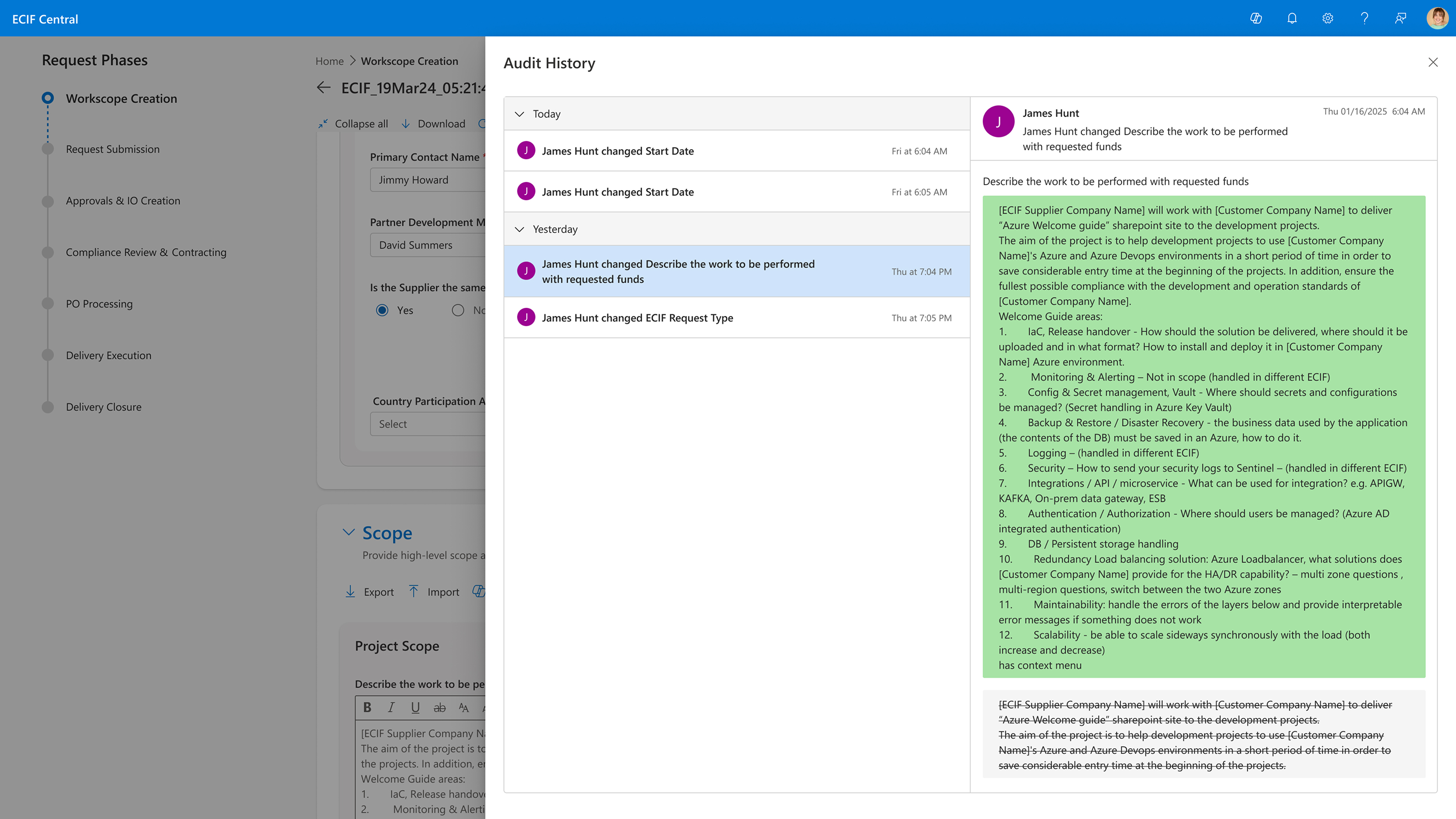
- Added audit history to track changes on sensitive data, ensuring transparency for sellers and stakeholders.

User Research – AI Features Uncovered
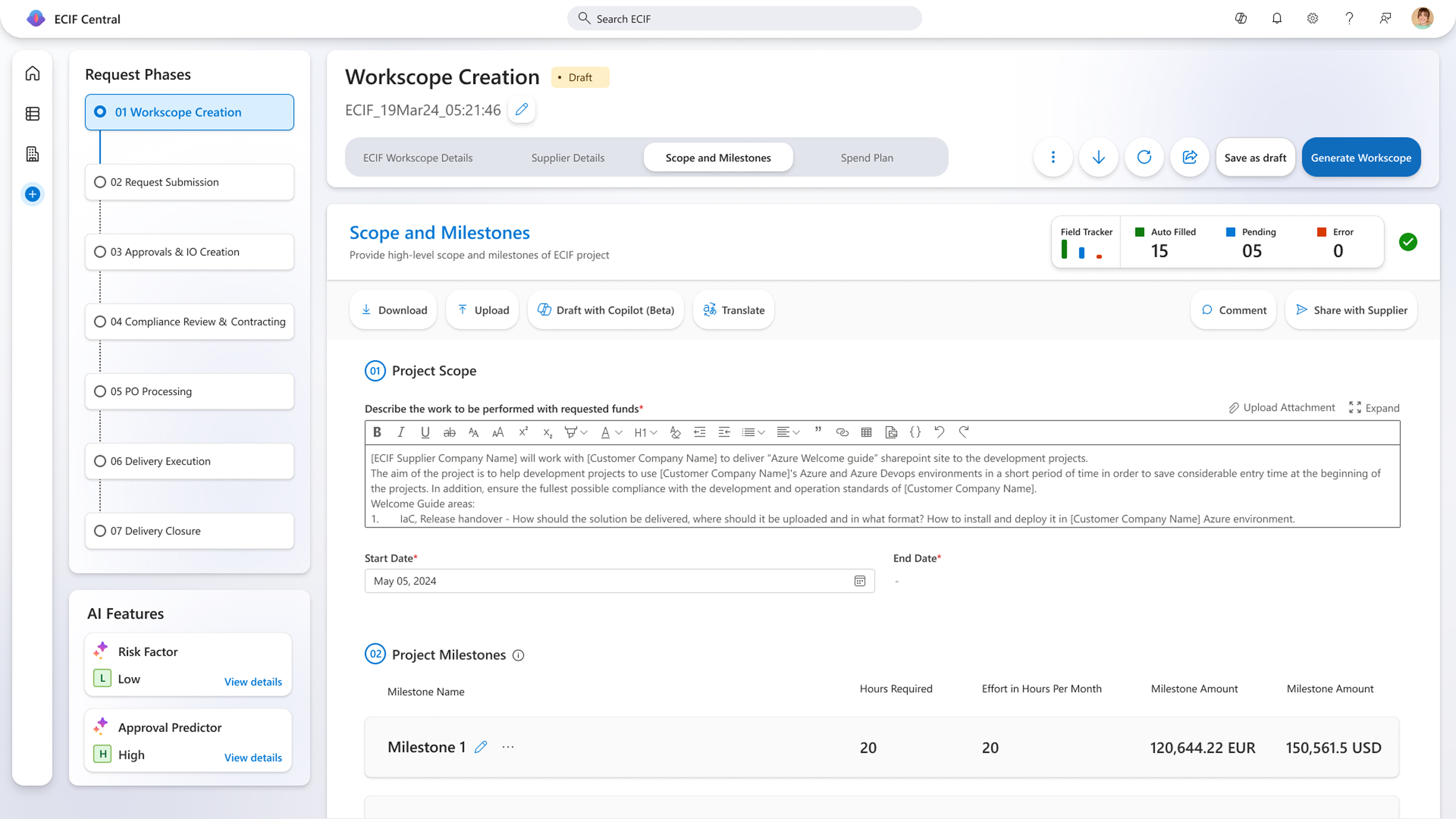
User feedback revealed that lengthy project and milestone descriptions were slowing down global collaboration and creating inconsistent quality across regions.
- User feedback revealed challenges with lengthy project and milestone descriptions, slowing down global collaboration.
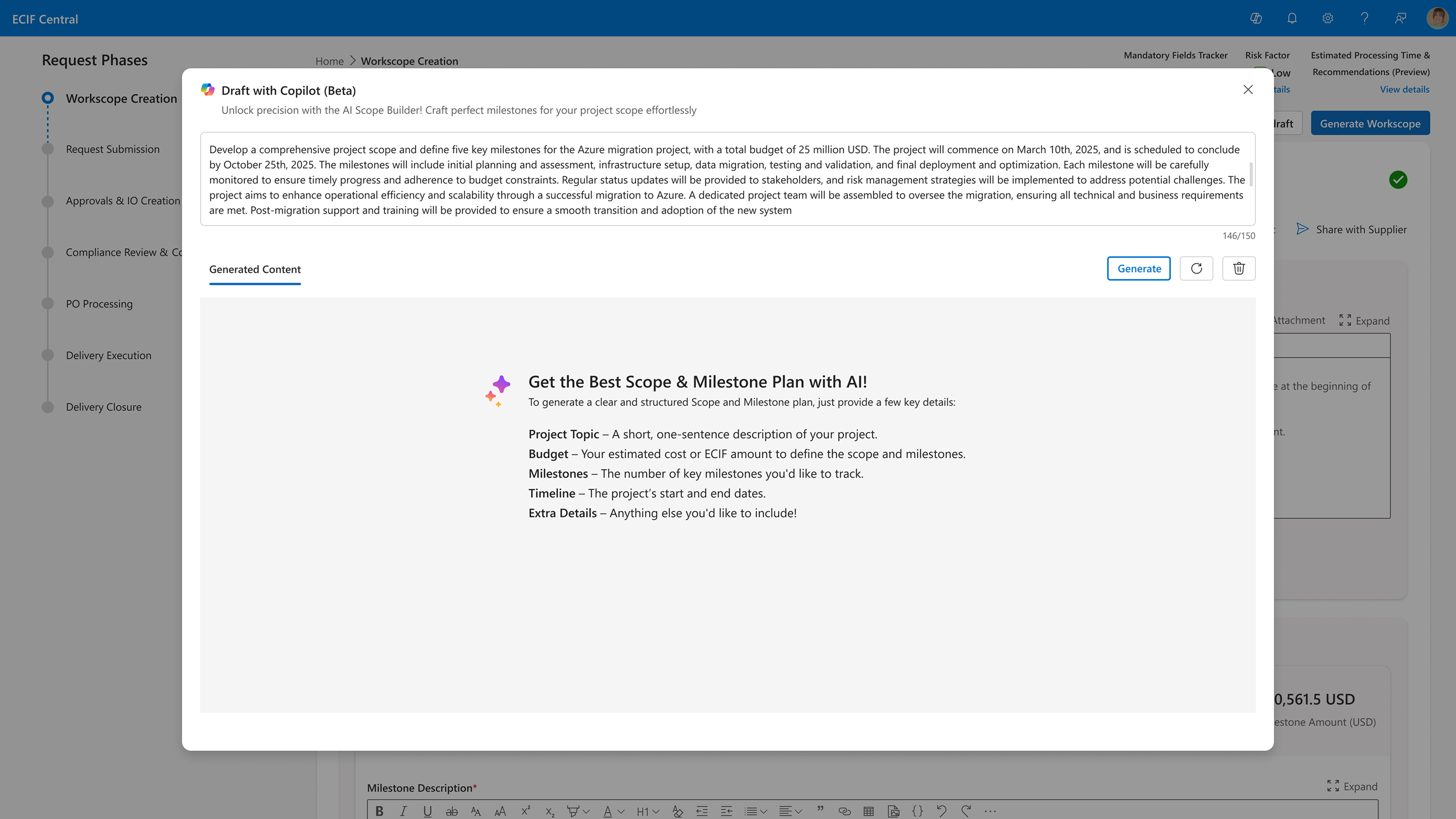
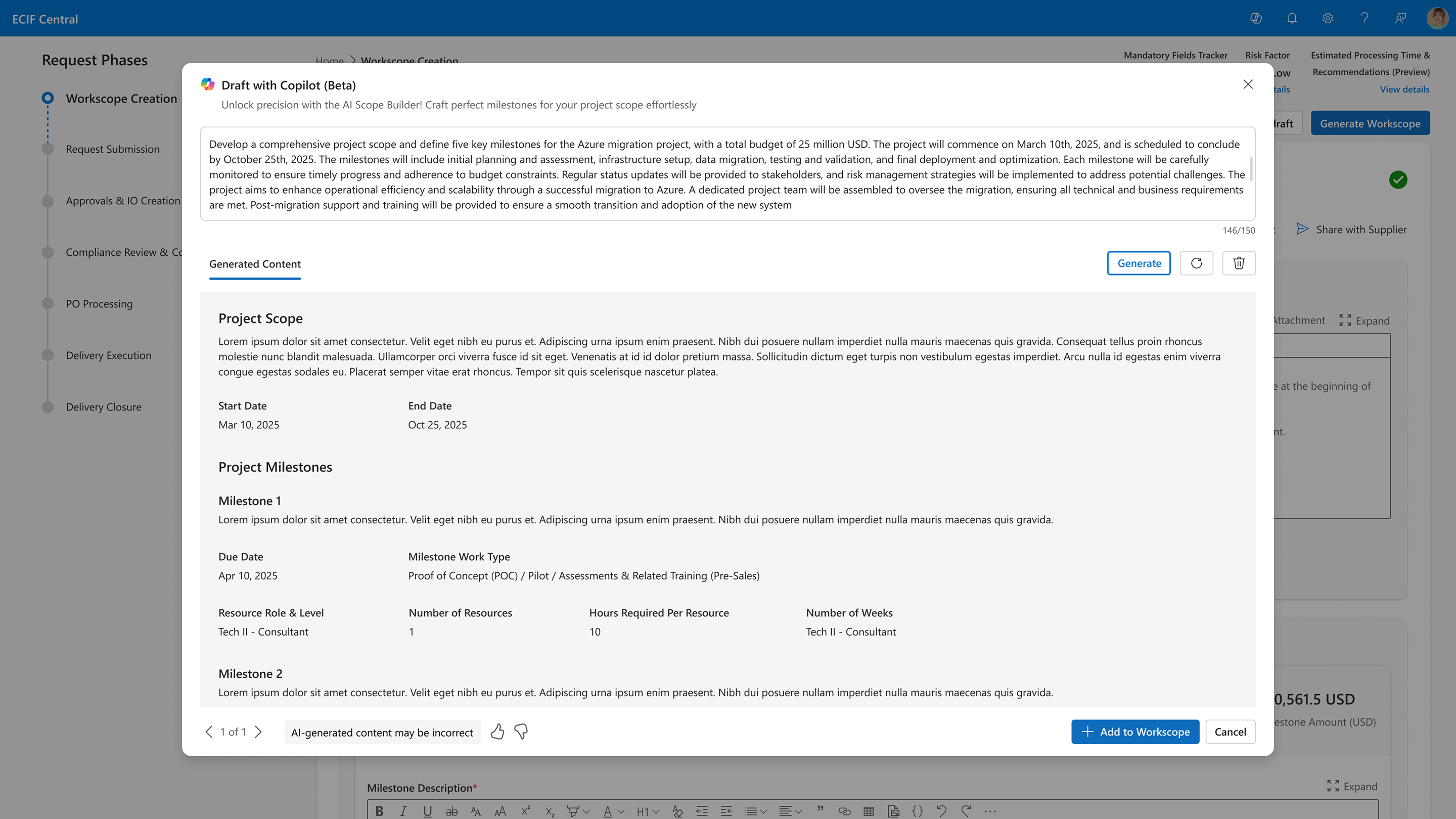
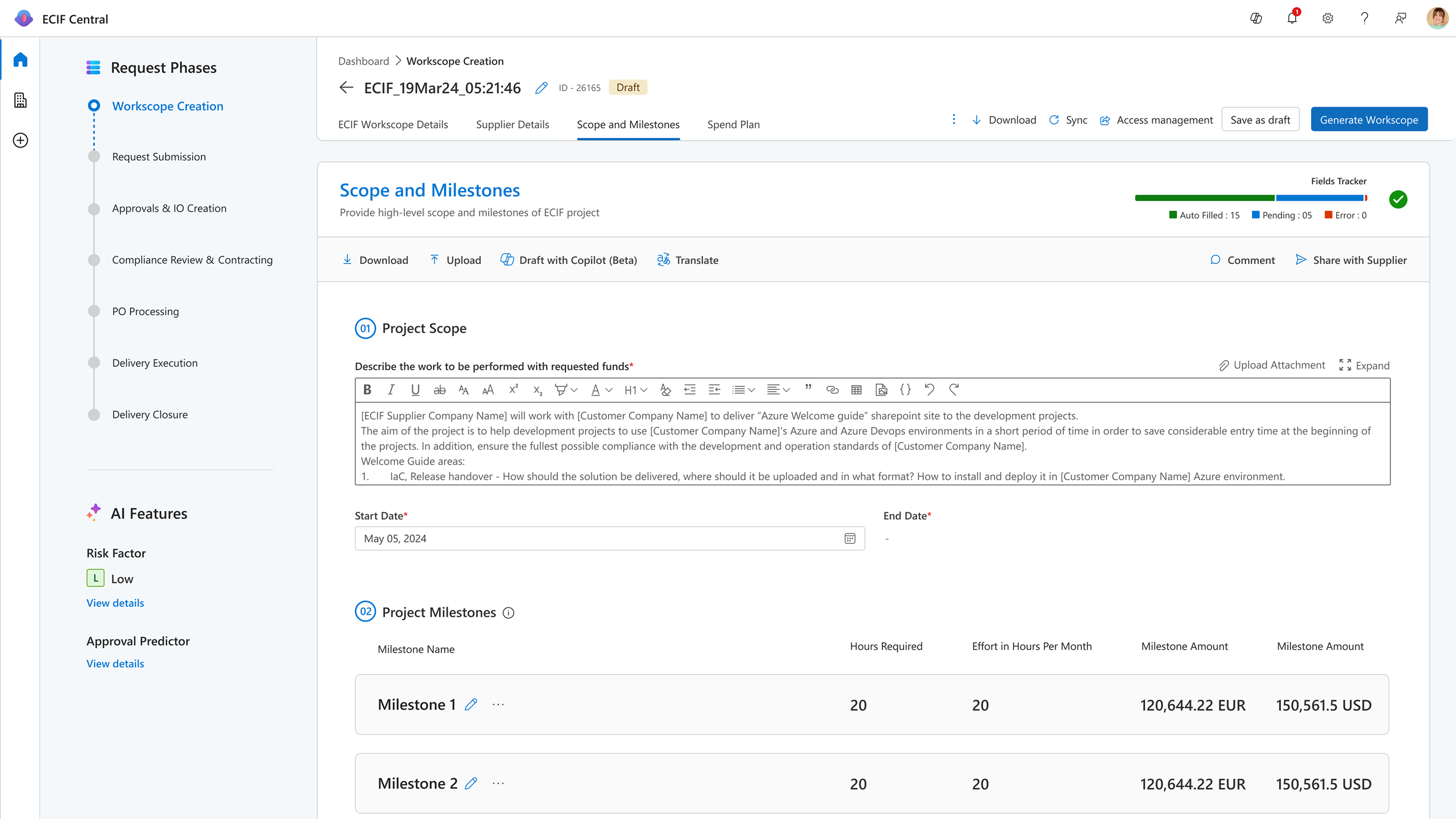
- Introduced "Draft with Copilot" to auto-generate descriptions, streamlining input for Microsoft Sellers and Suppliers.
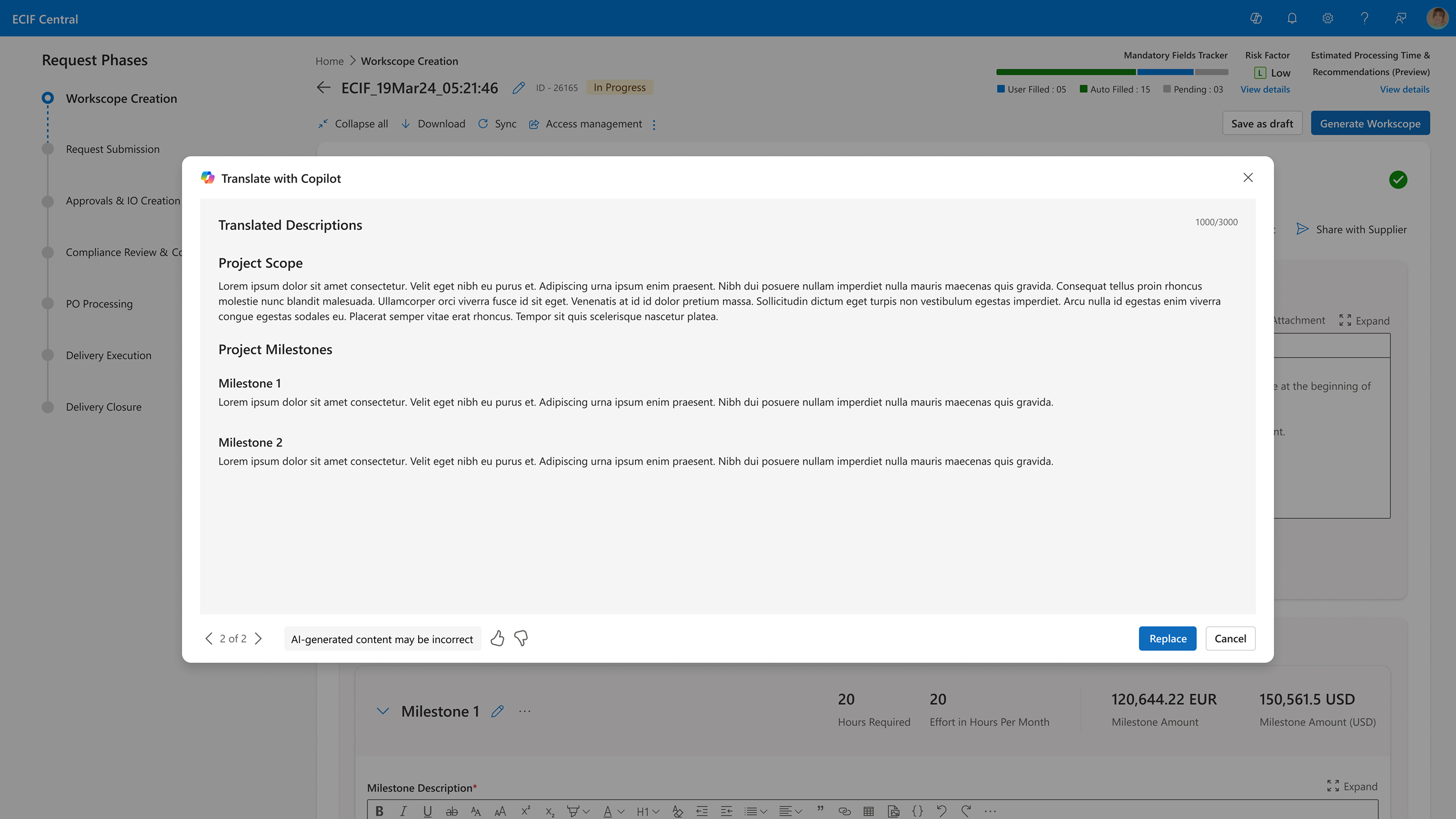
- Implemented translation-supporting AI to enable accurate, fast approvals across diverse global teams, enhancing inclusivity and speed.

User Flow – Phase 1 & Phase 2
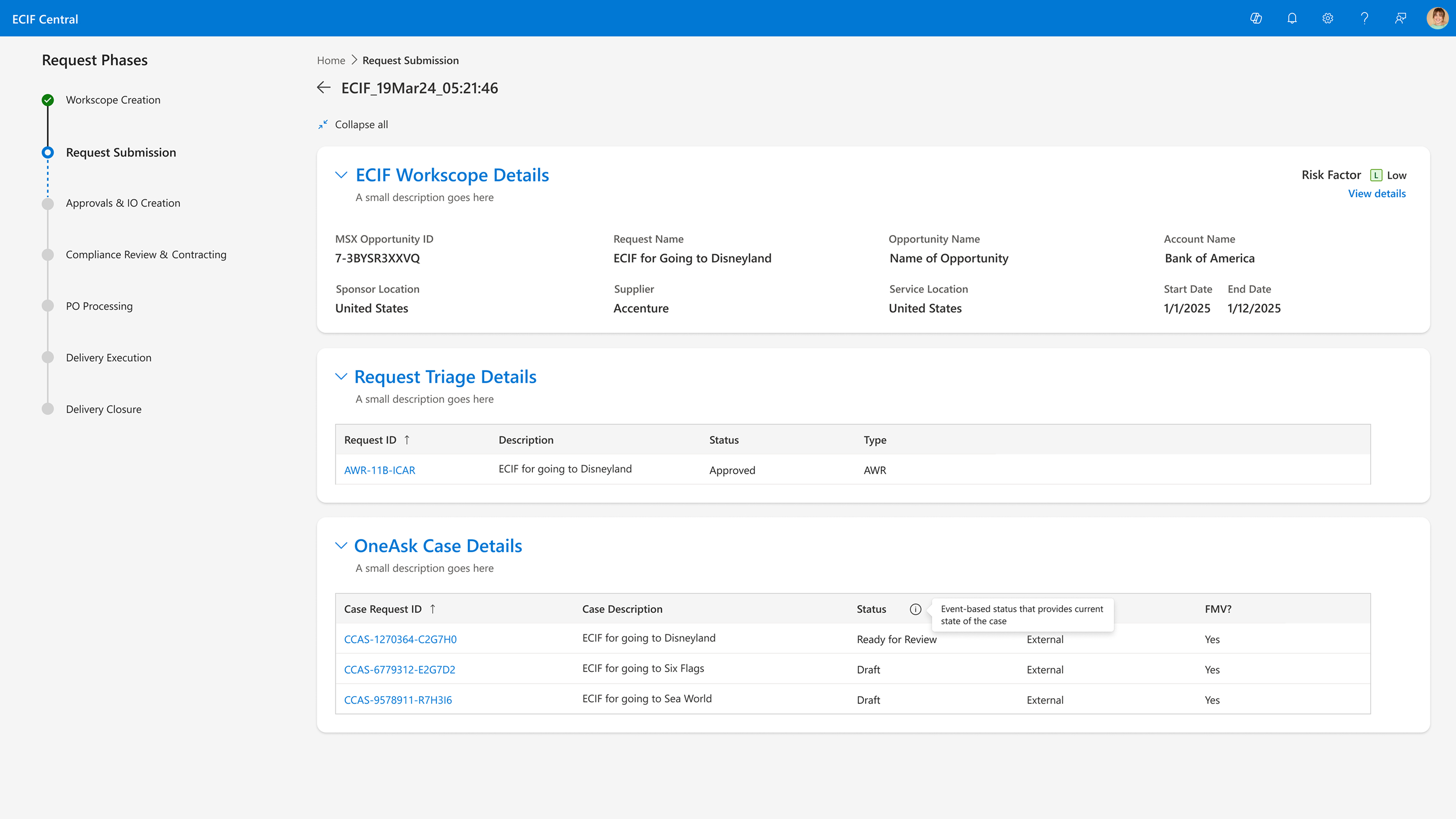
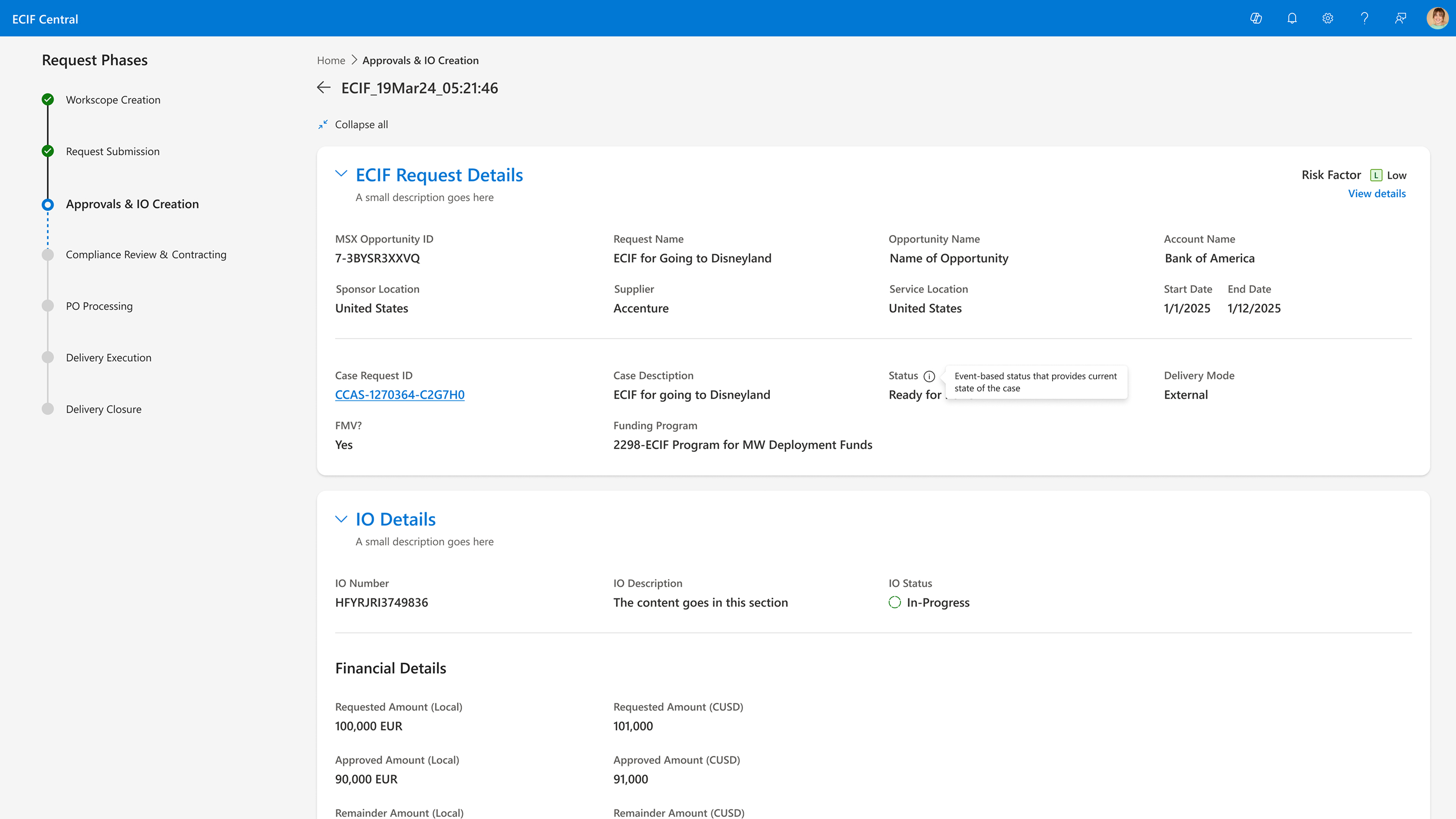
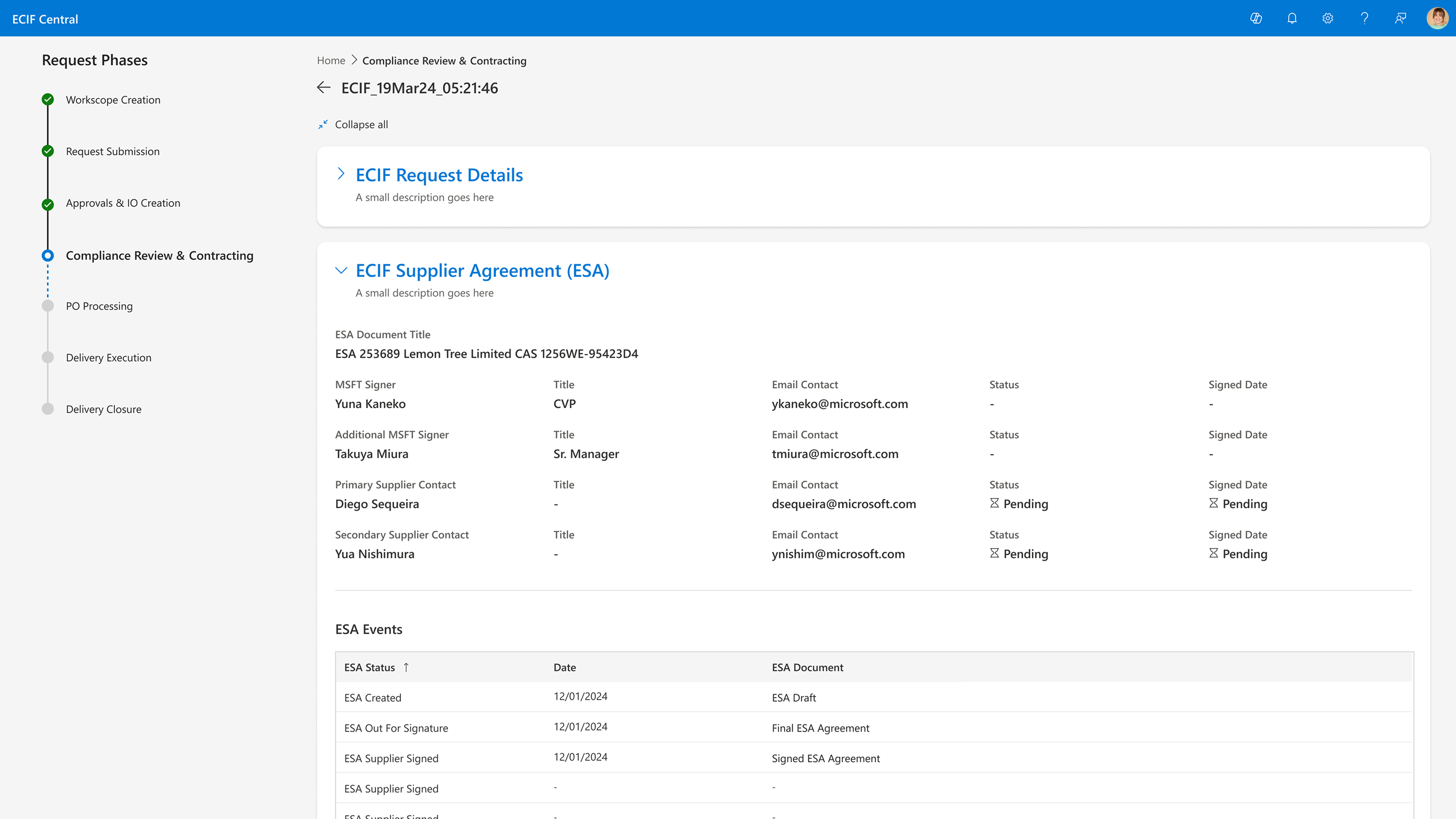
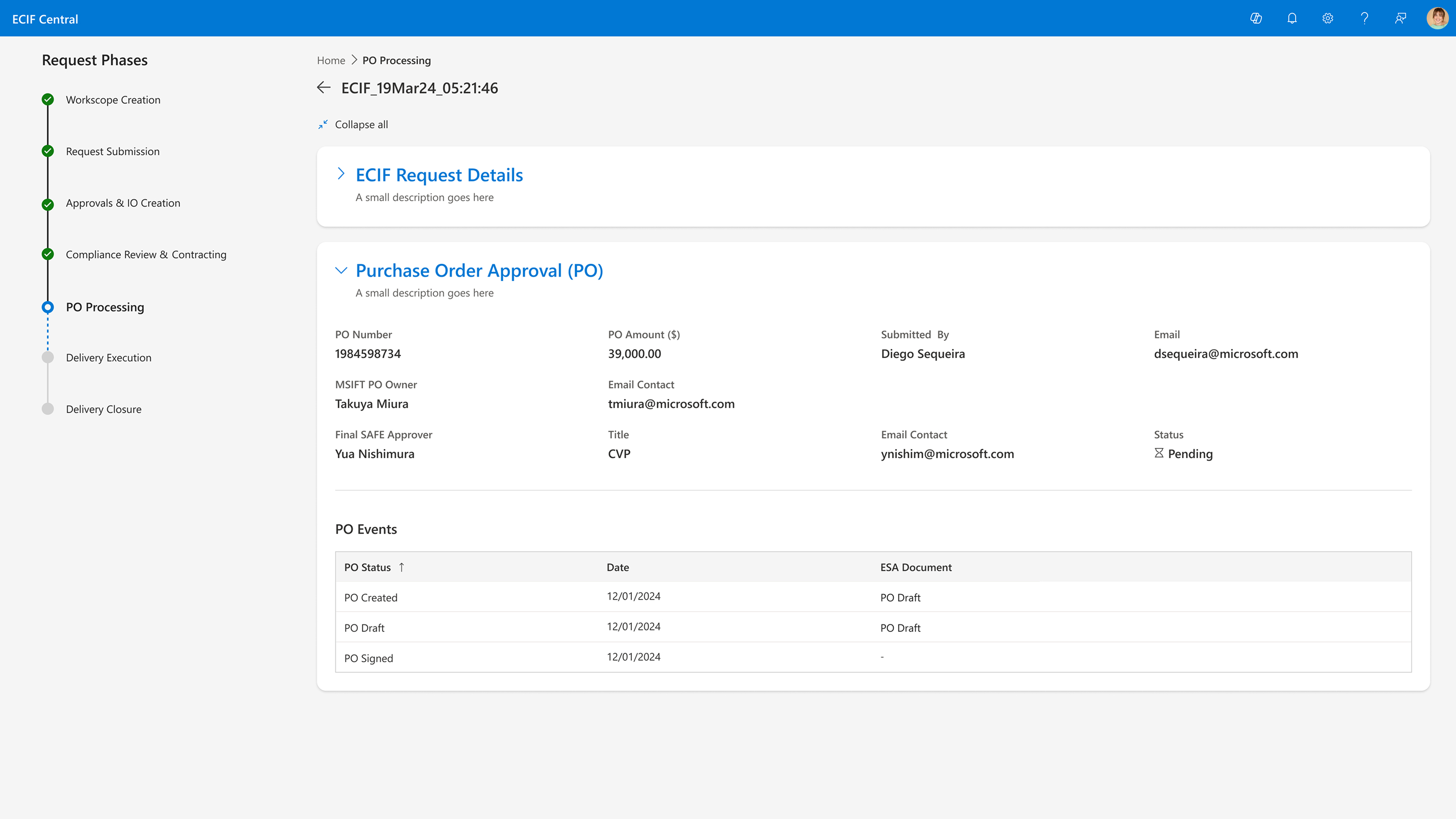
I defined end-to-end user flows to de-risk the rollout. Phase 1 focused on core request and approval journeys; Phase 2 extended this with AI-assisted authoring, translation, and richer exception handling, and later phases introduced read-only views that surfaced data from adjacent systems so users could see the full workflow end to end without leaving ECIF.
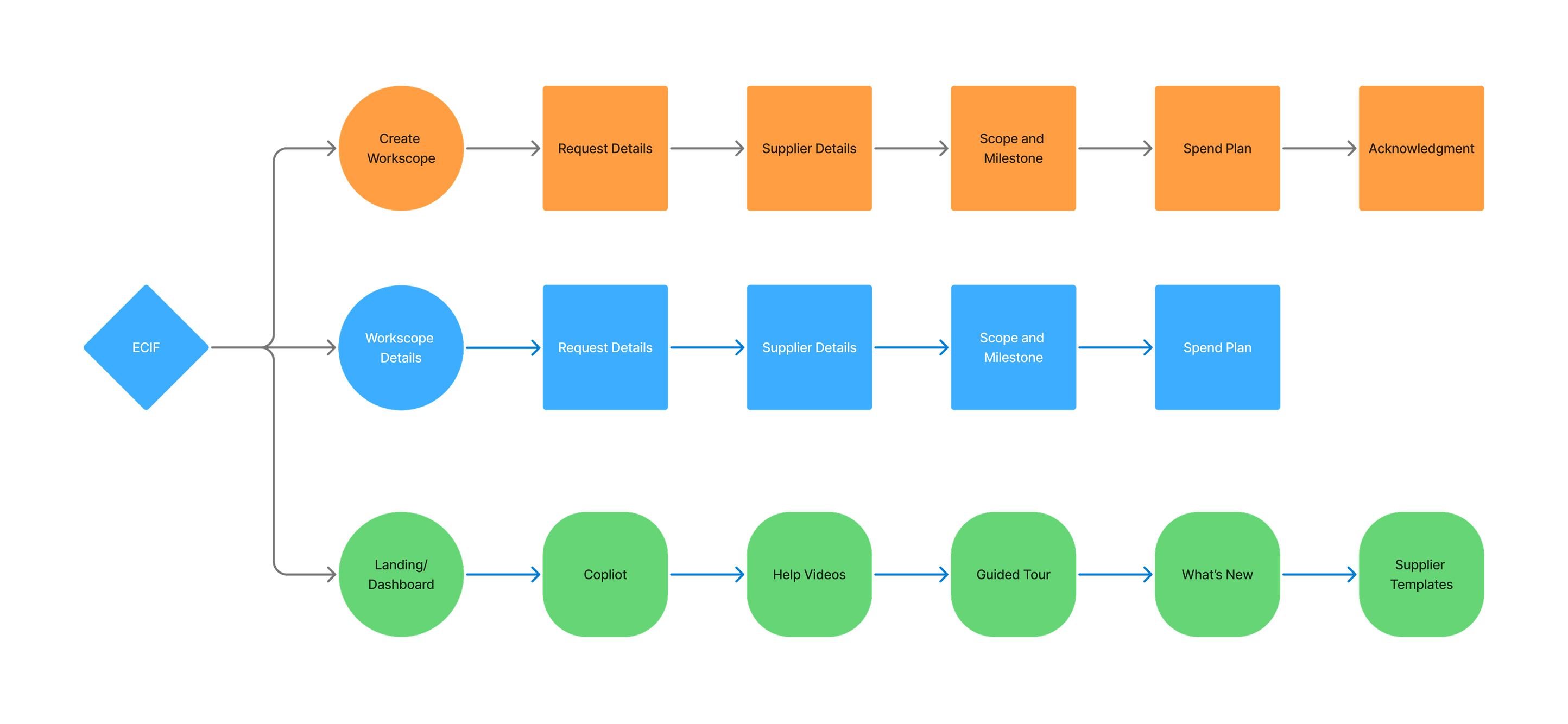
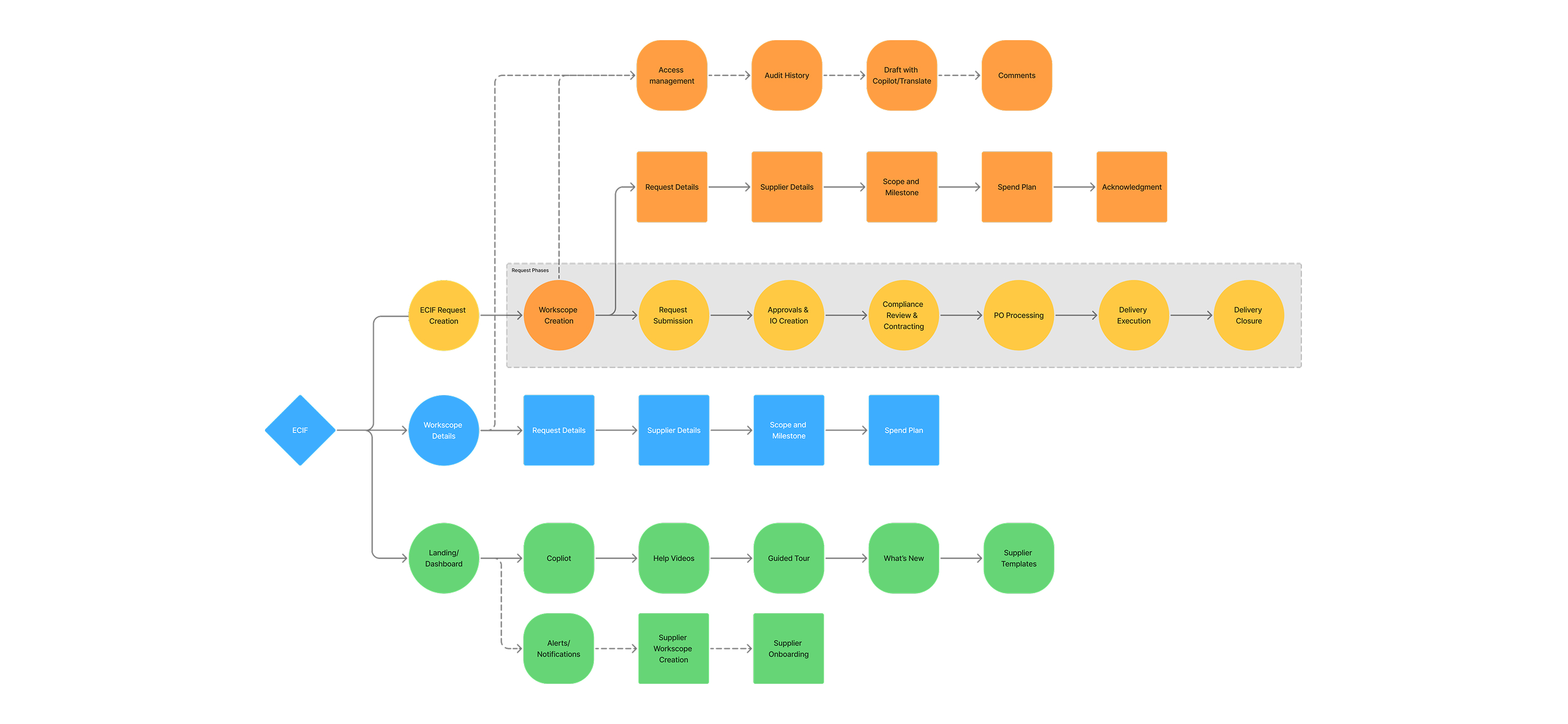
From Early Explorations to Final Flows
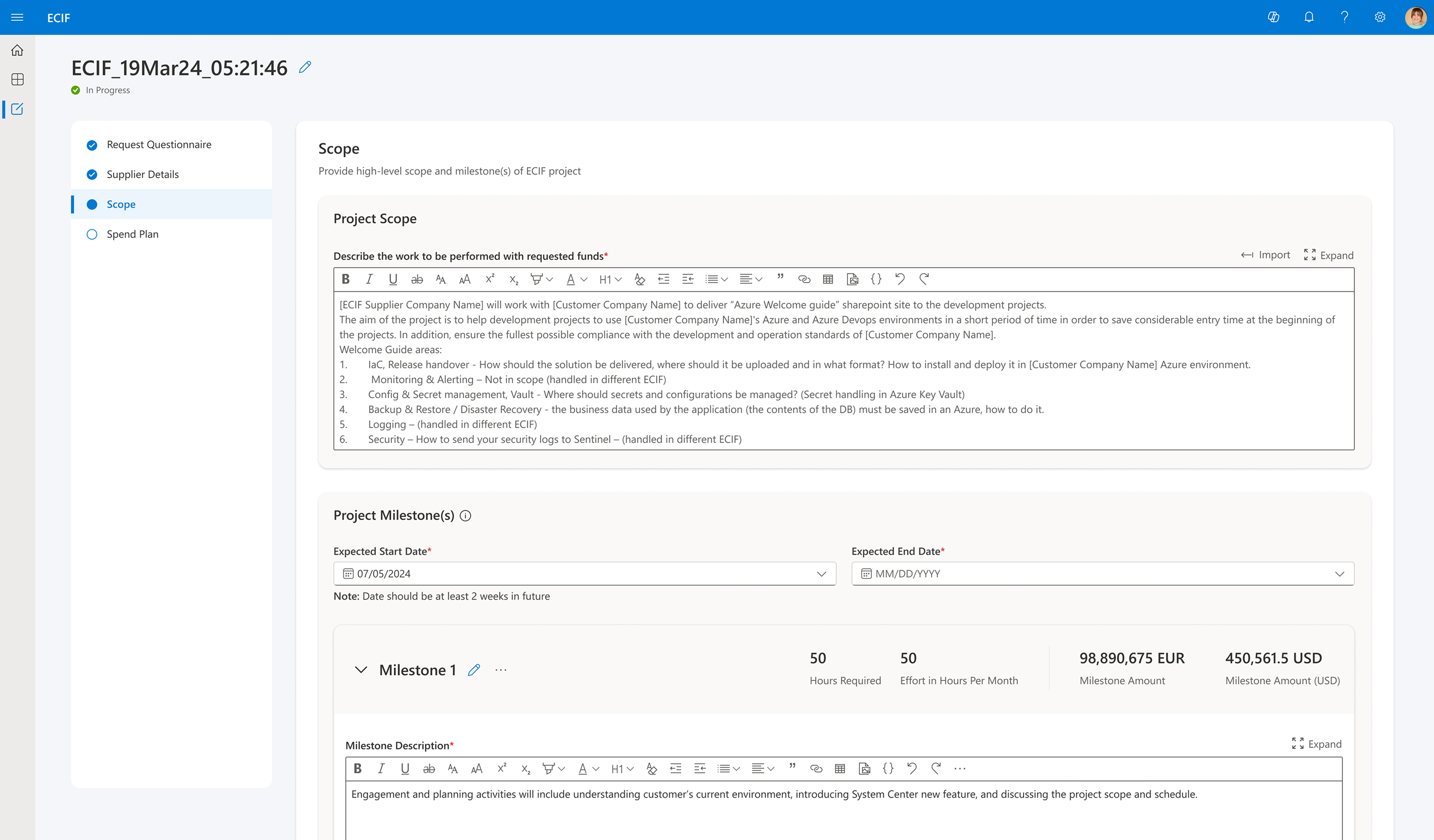
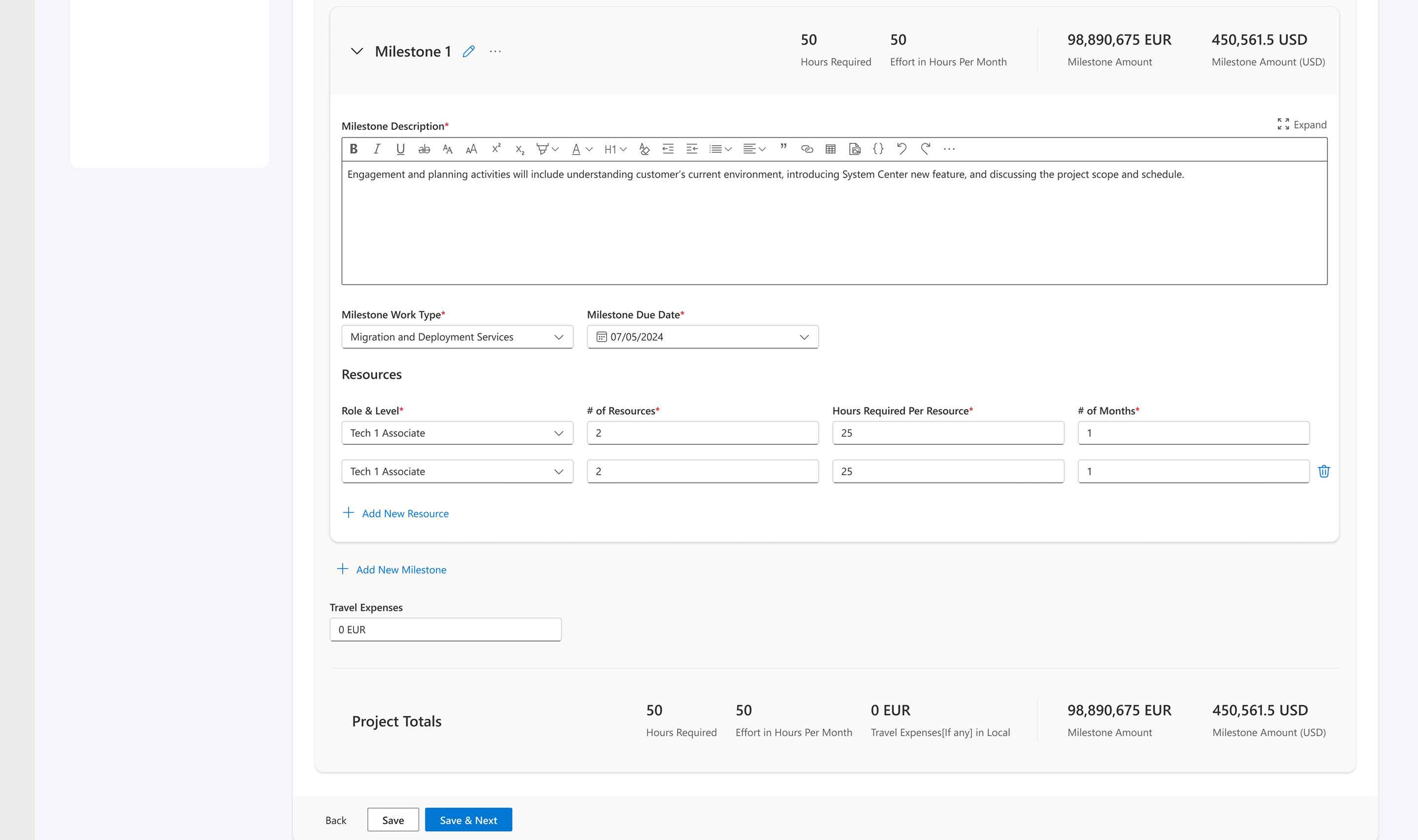
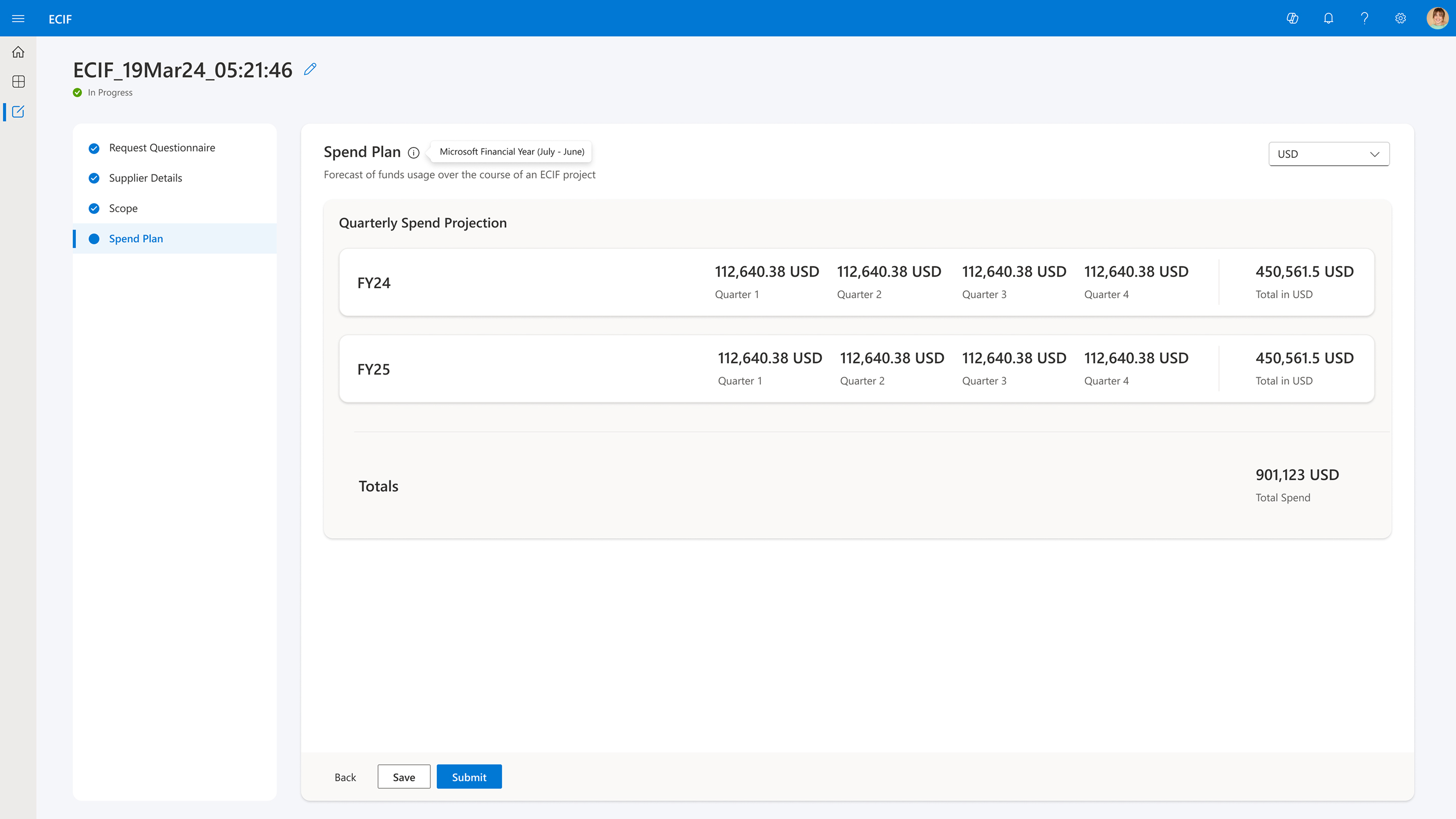
Design – Early Explorations
I explored multiple layout, density, and navigation patterns for the core ECIF experience before converging on the shipped flows.
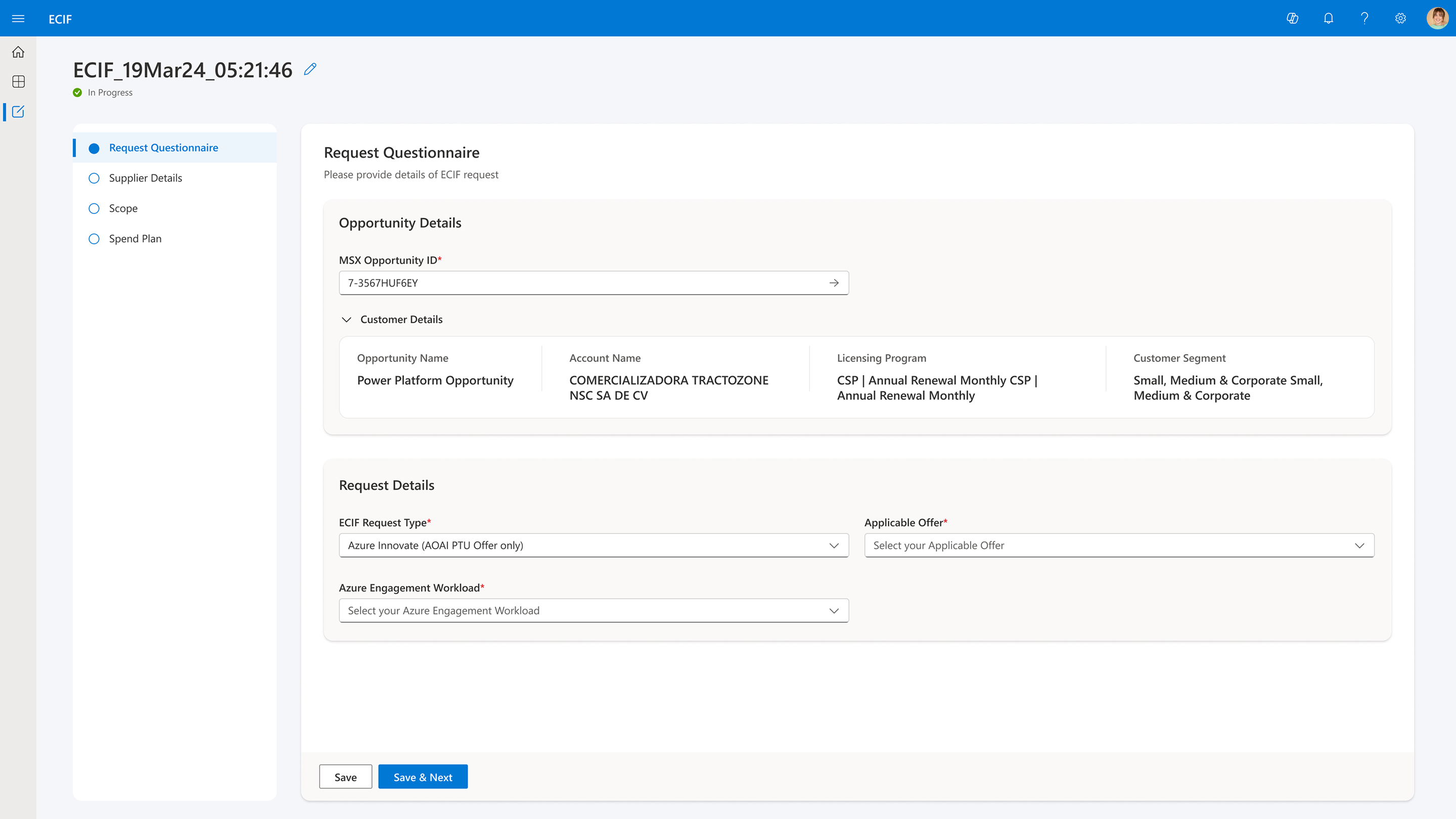
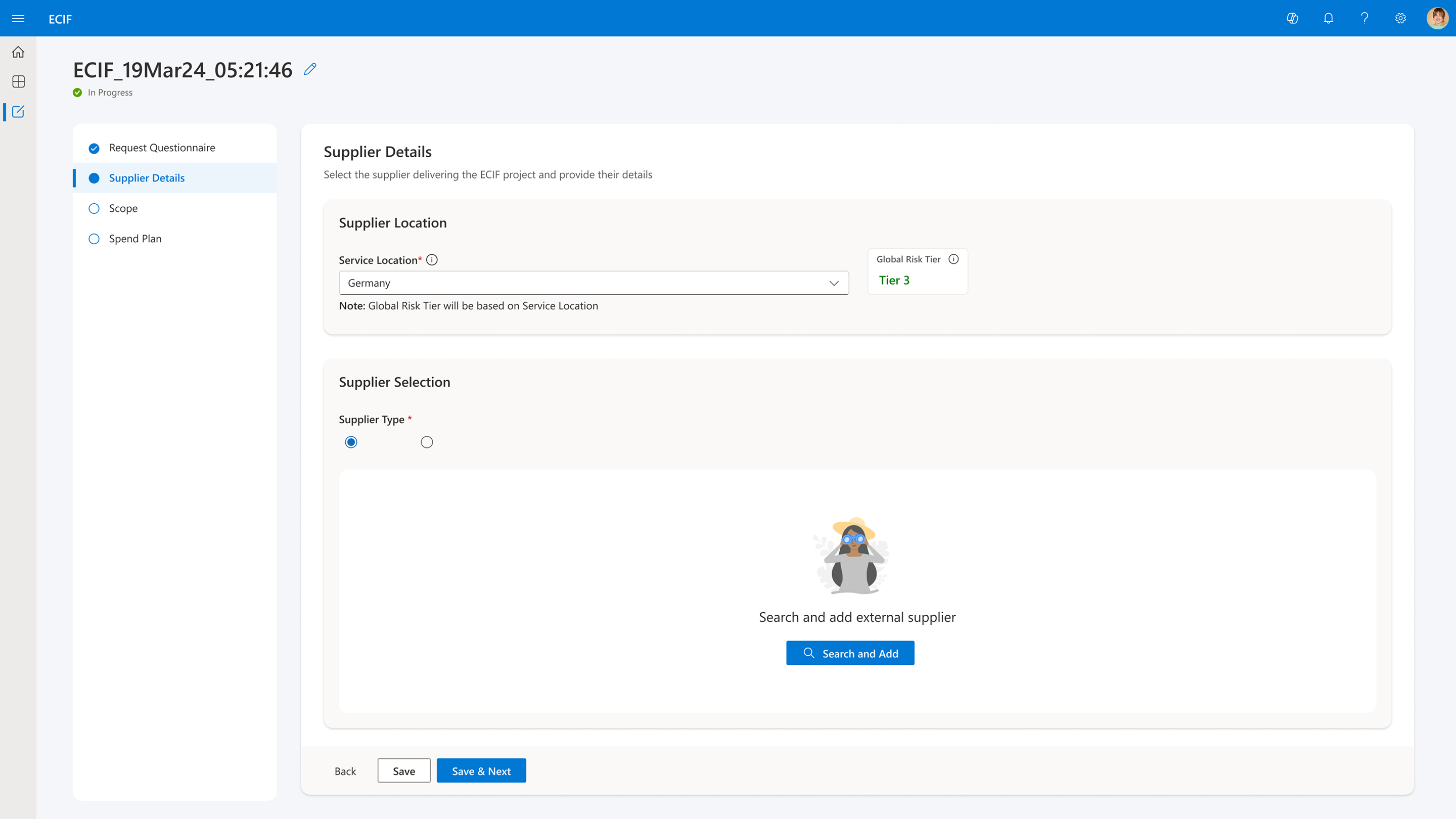
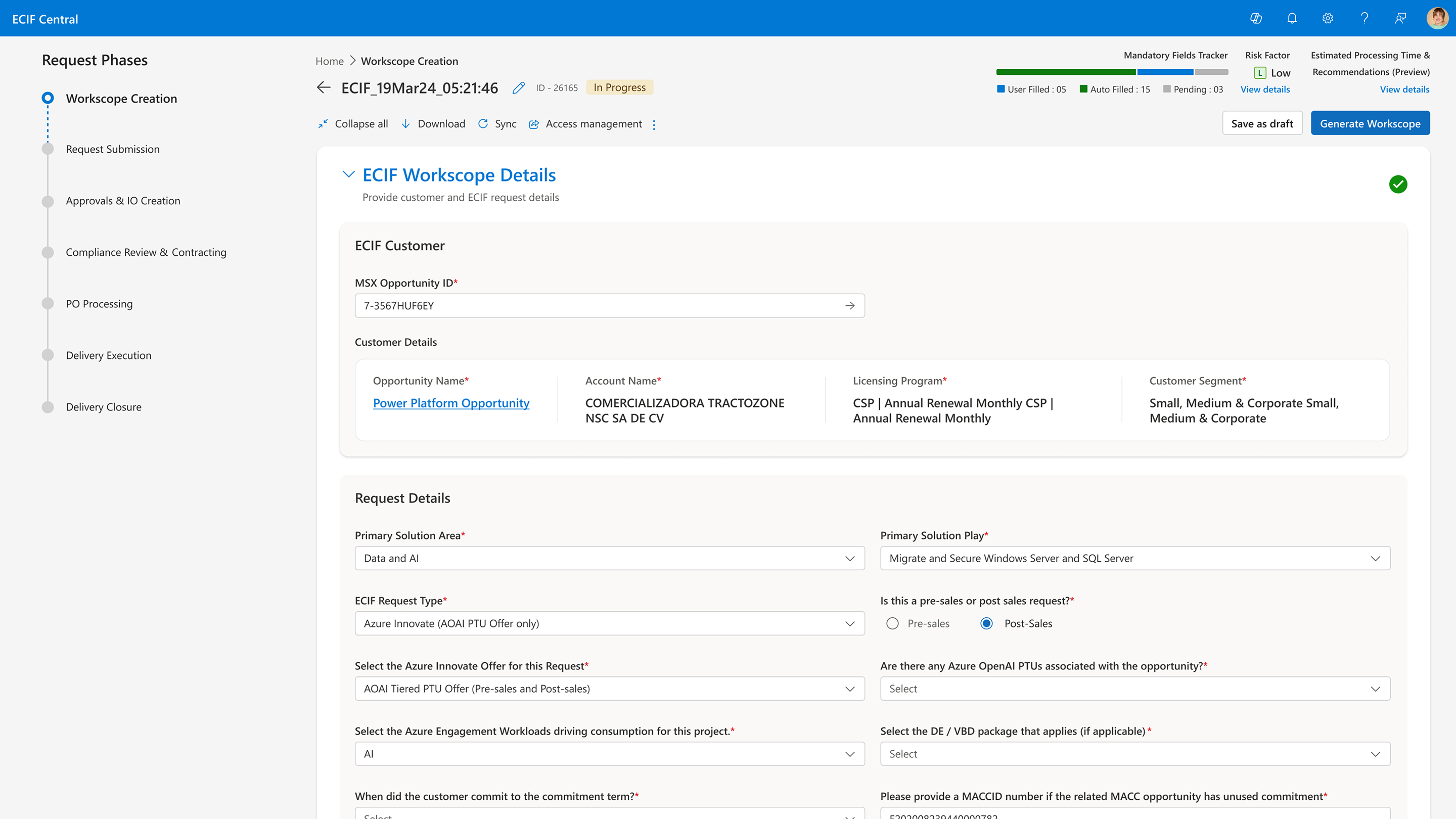
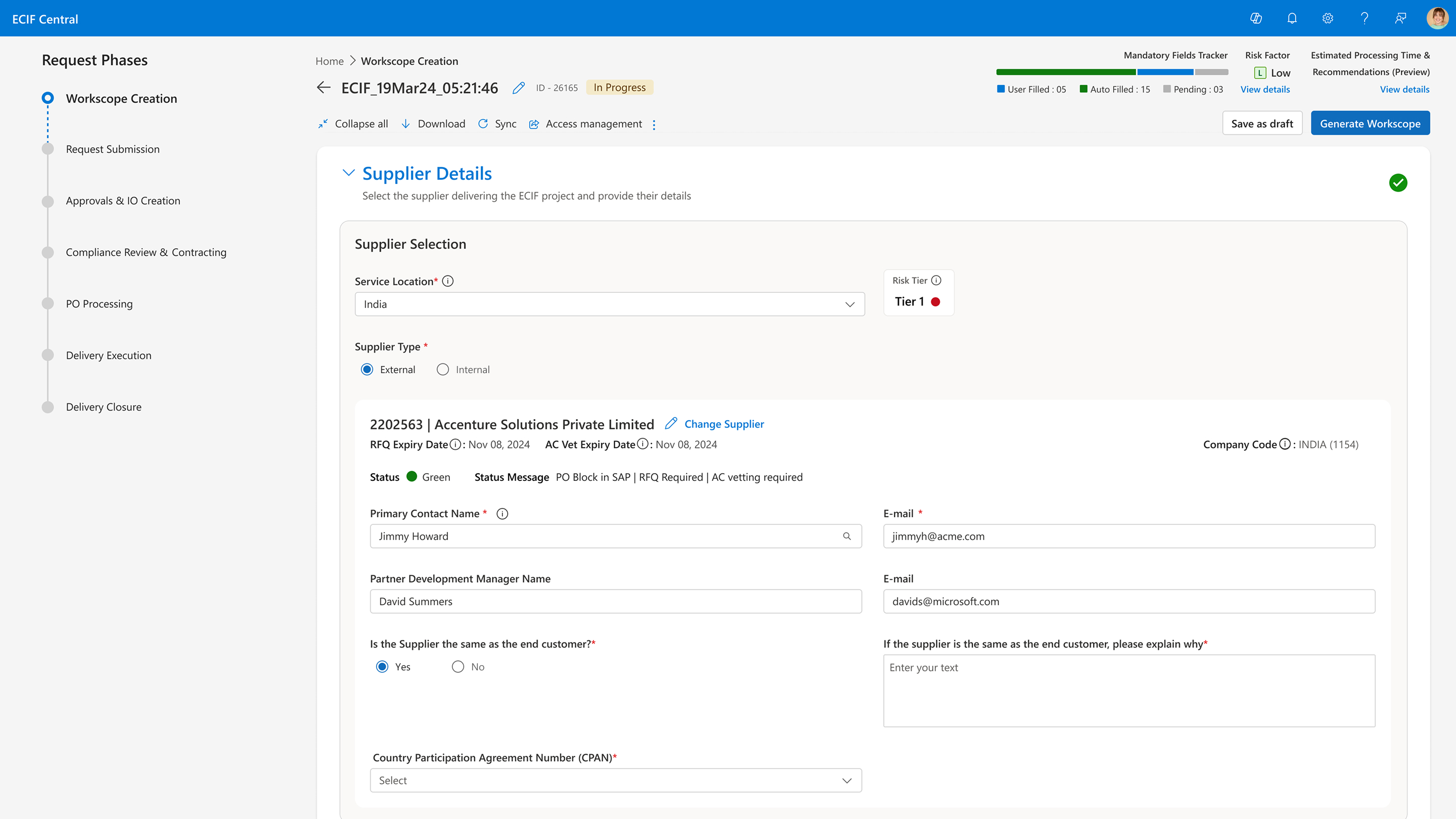
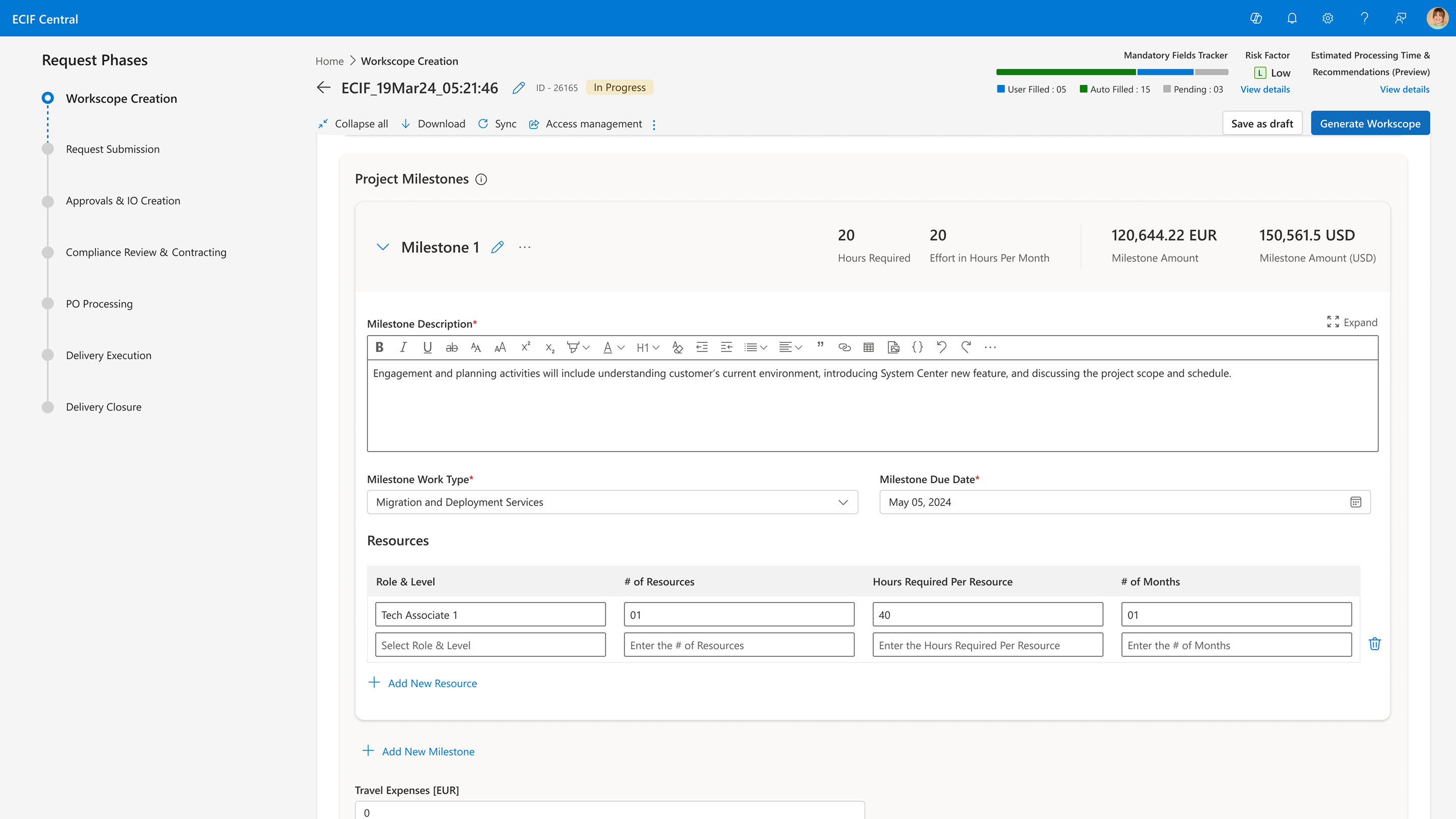
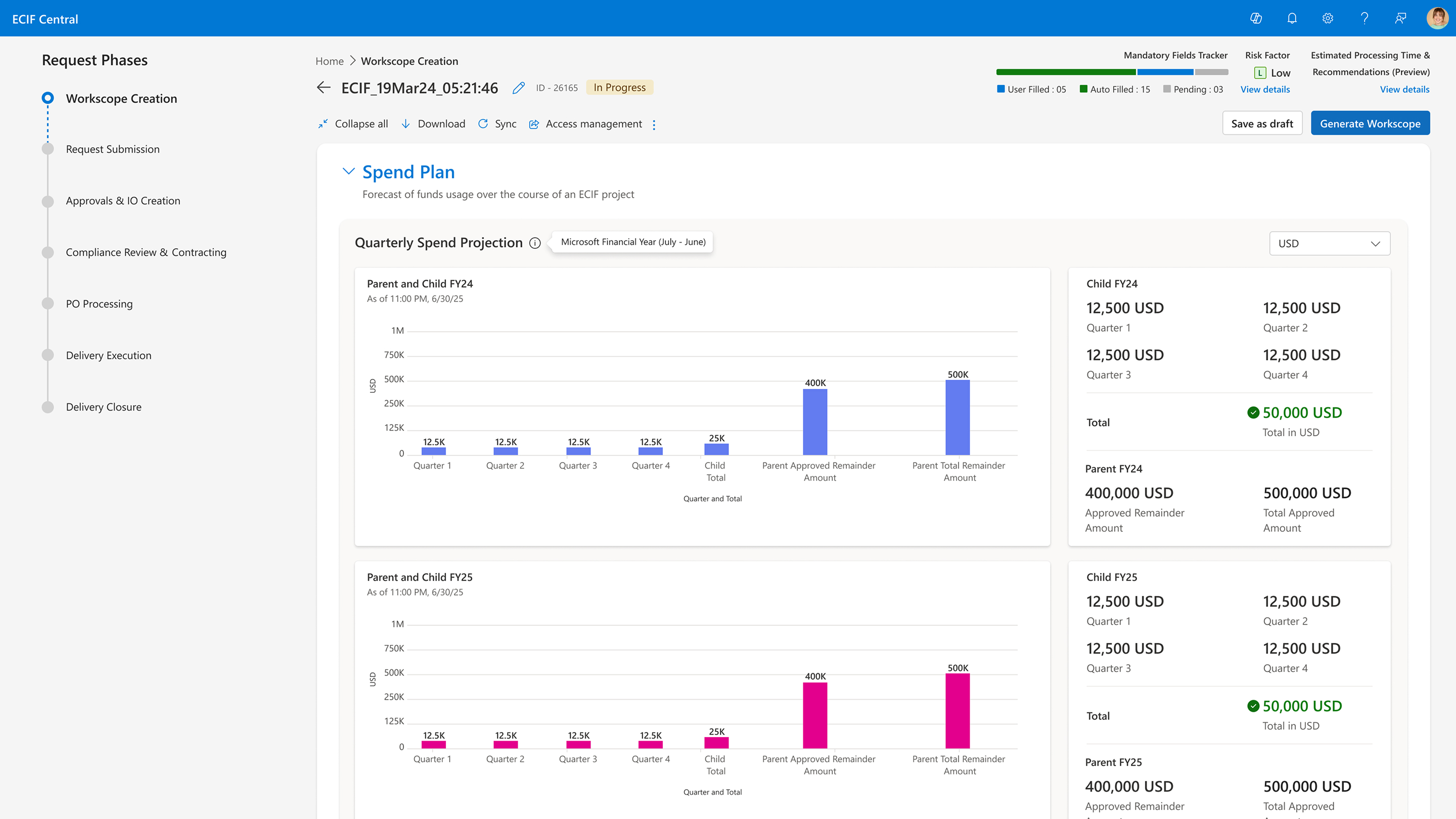
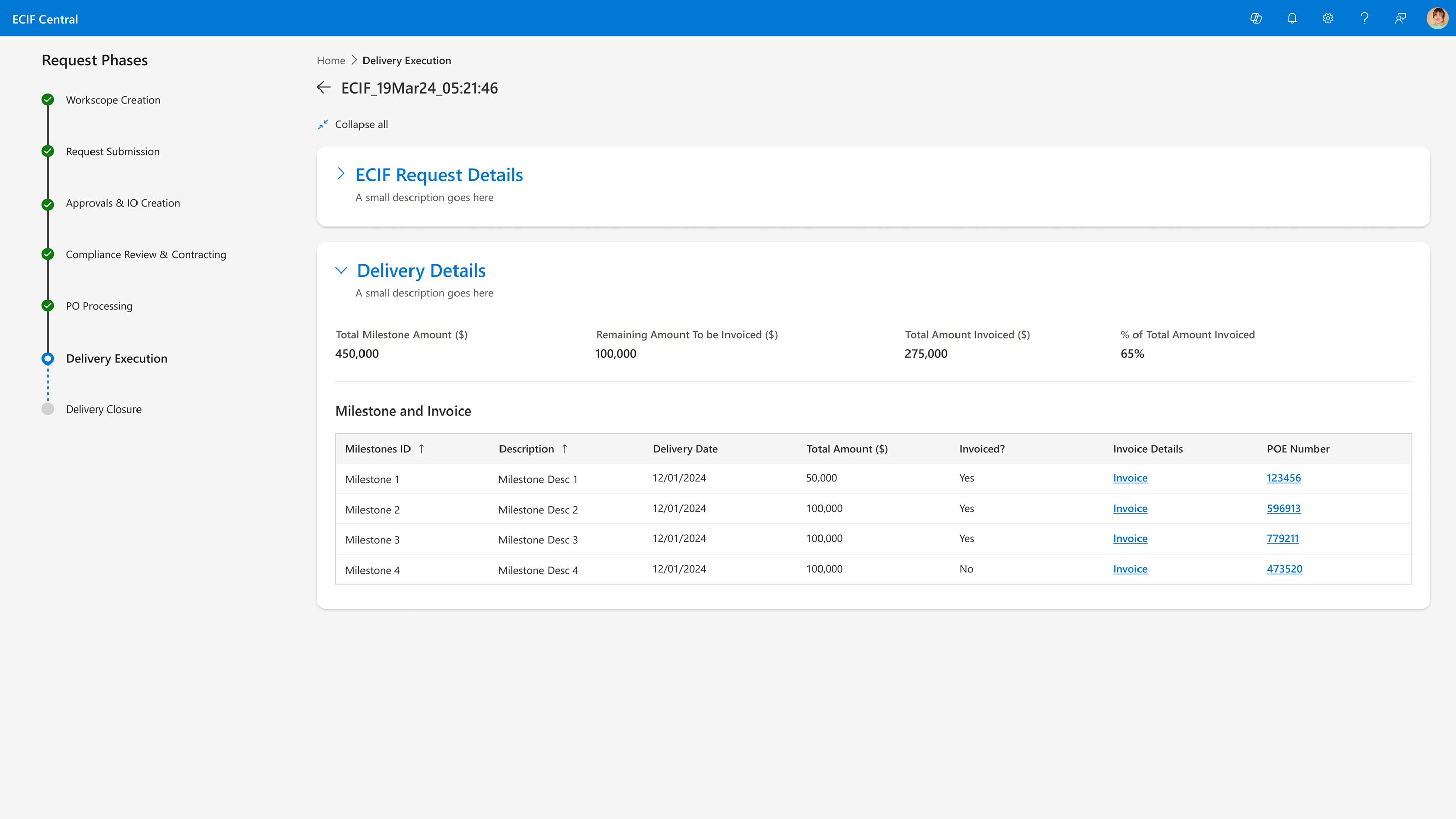
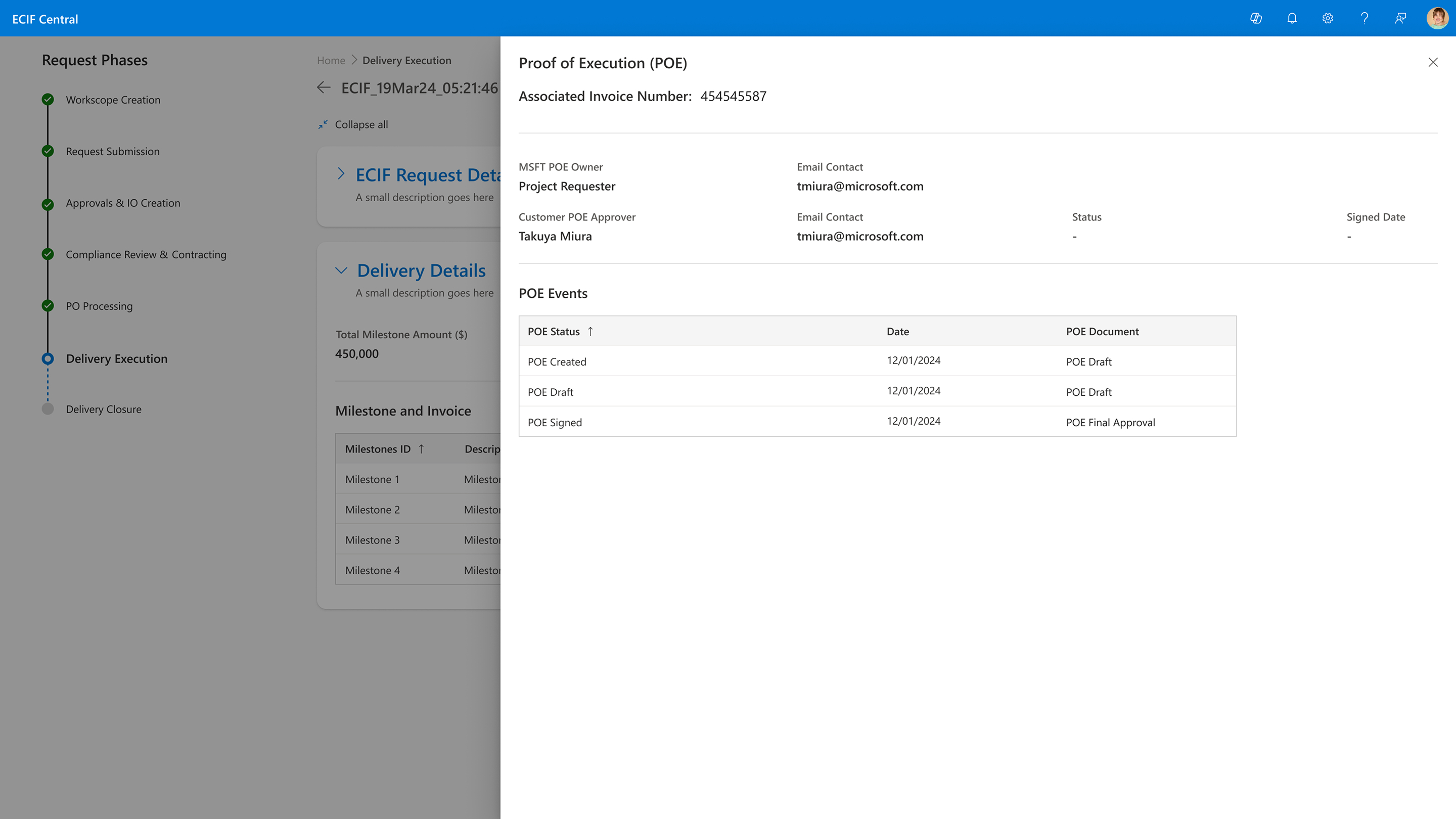
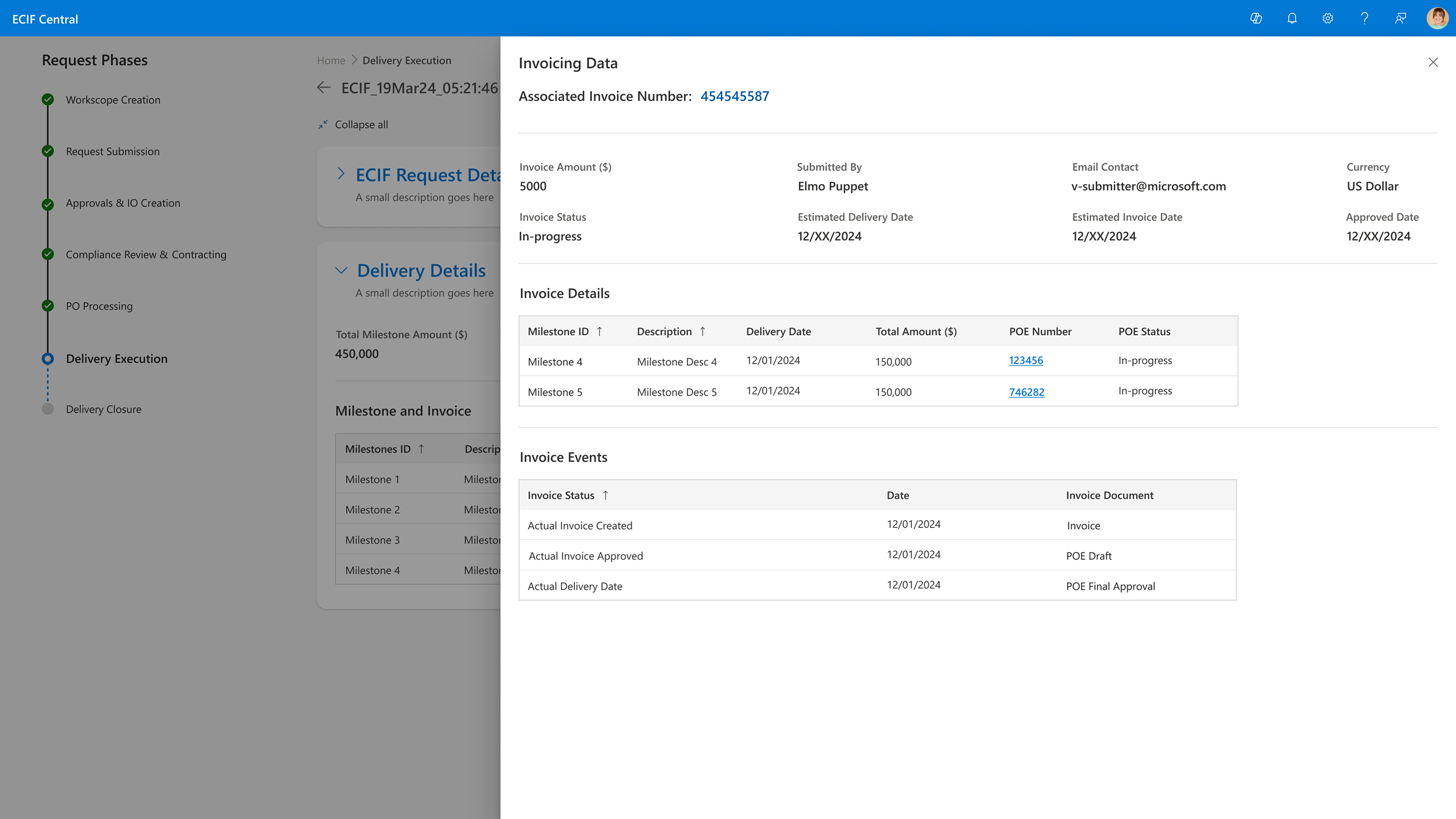
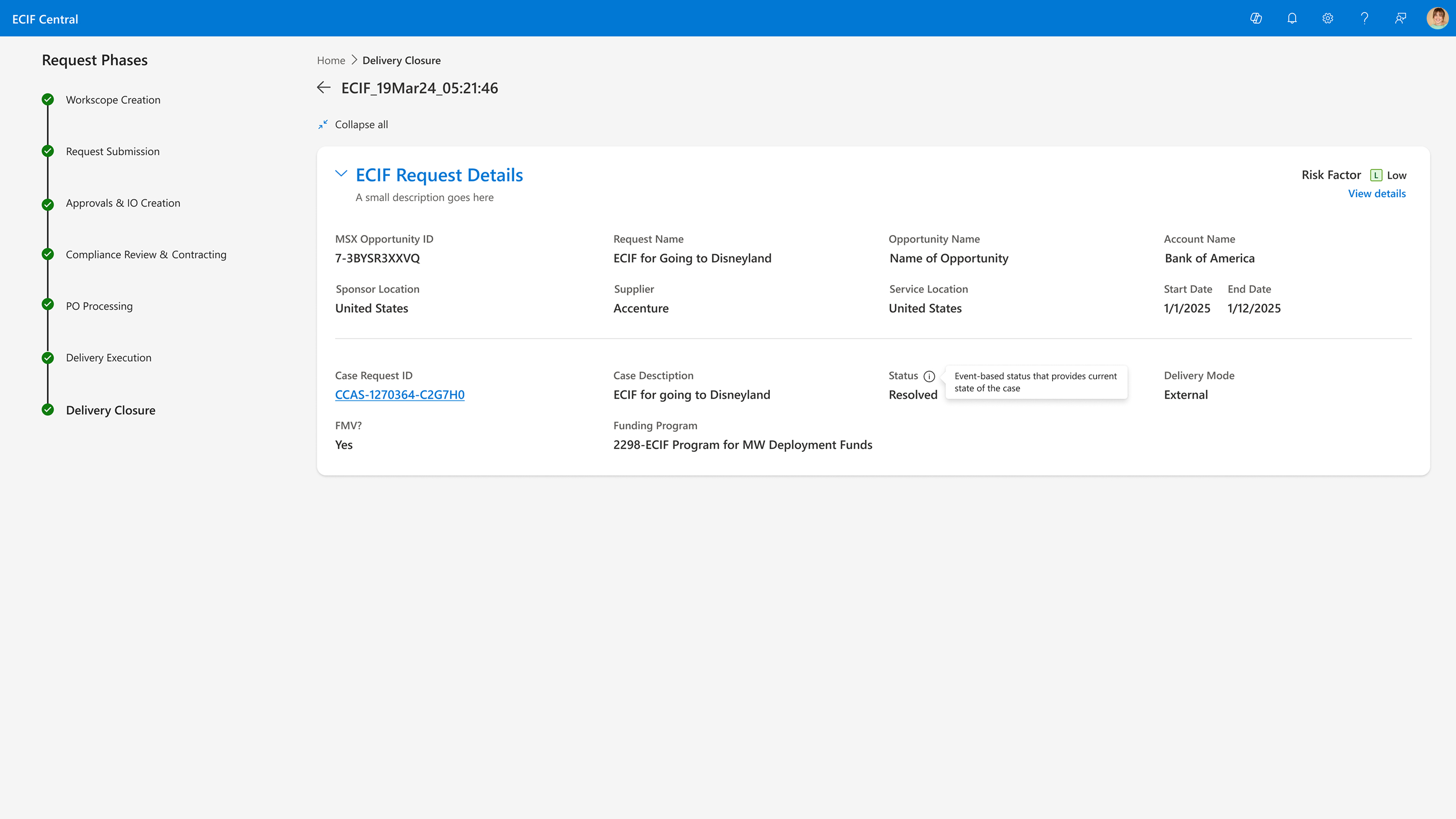
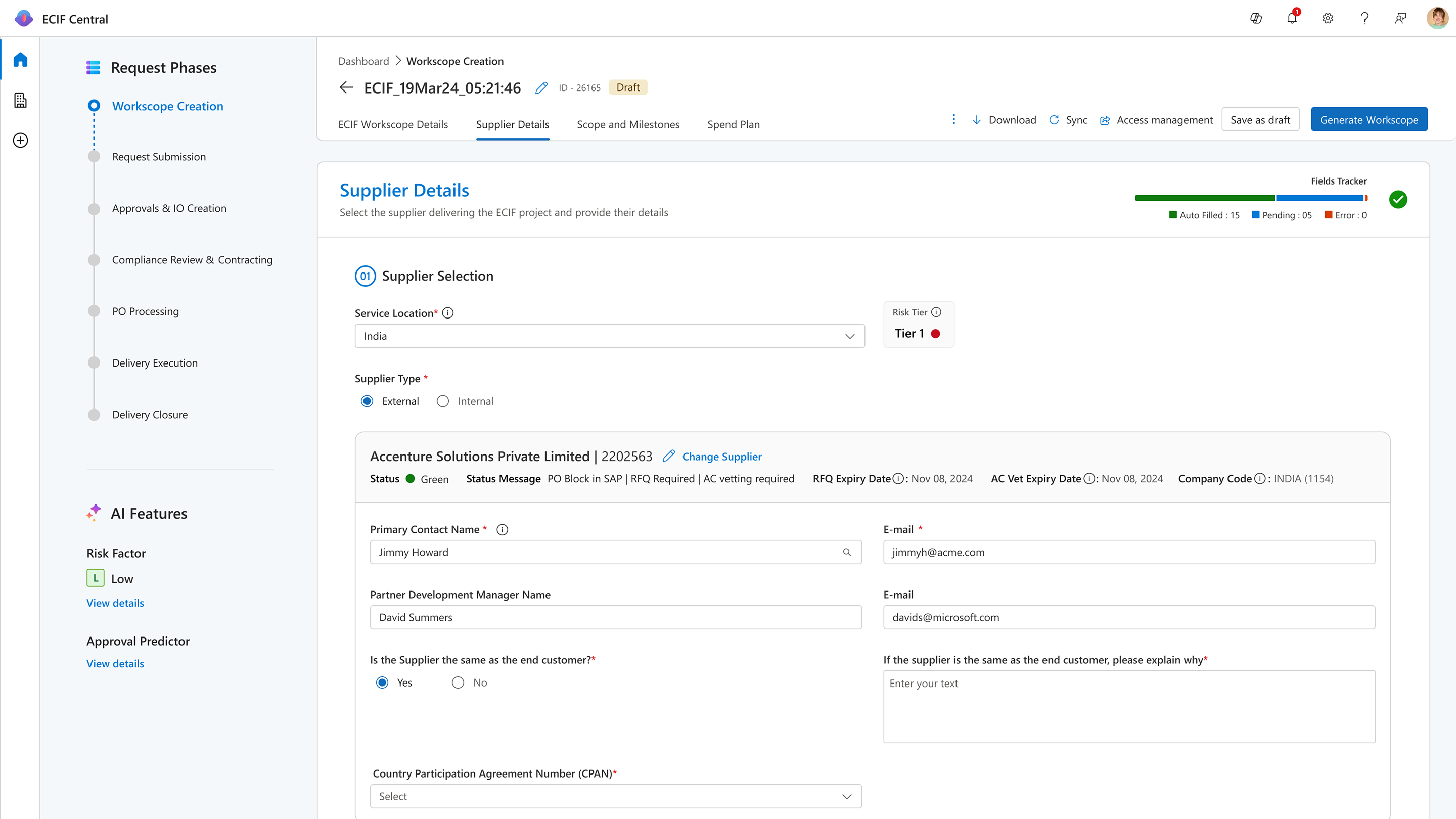
Design – Sellers & Suppliers – Full Flow
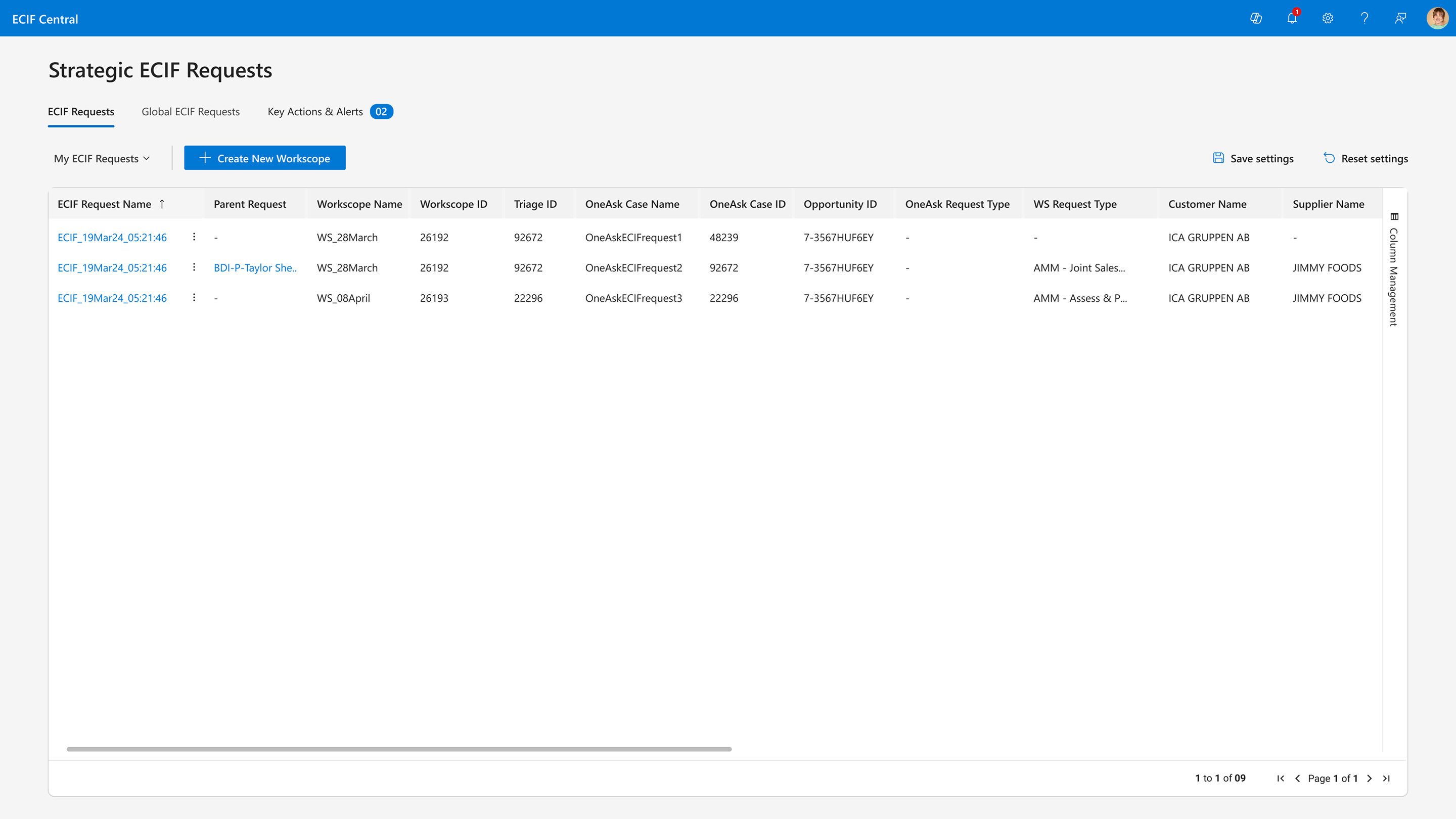
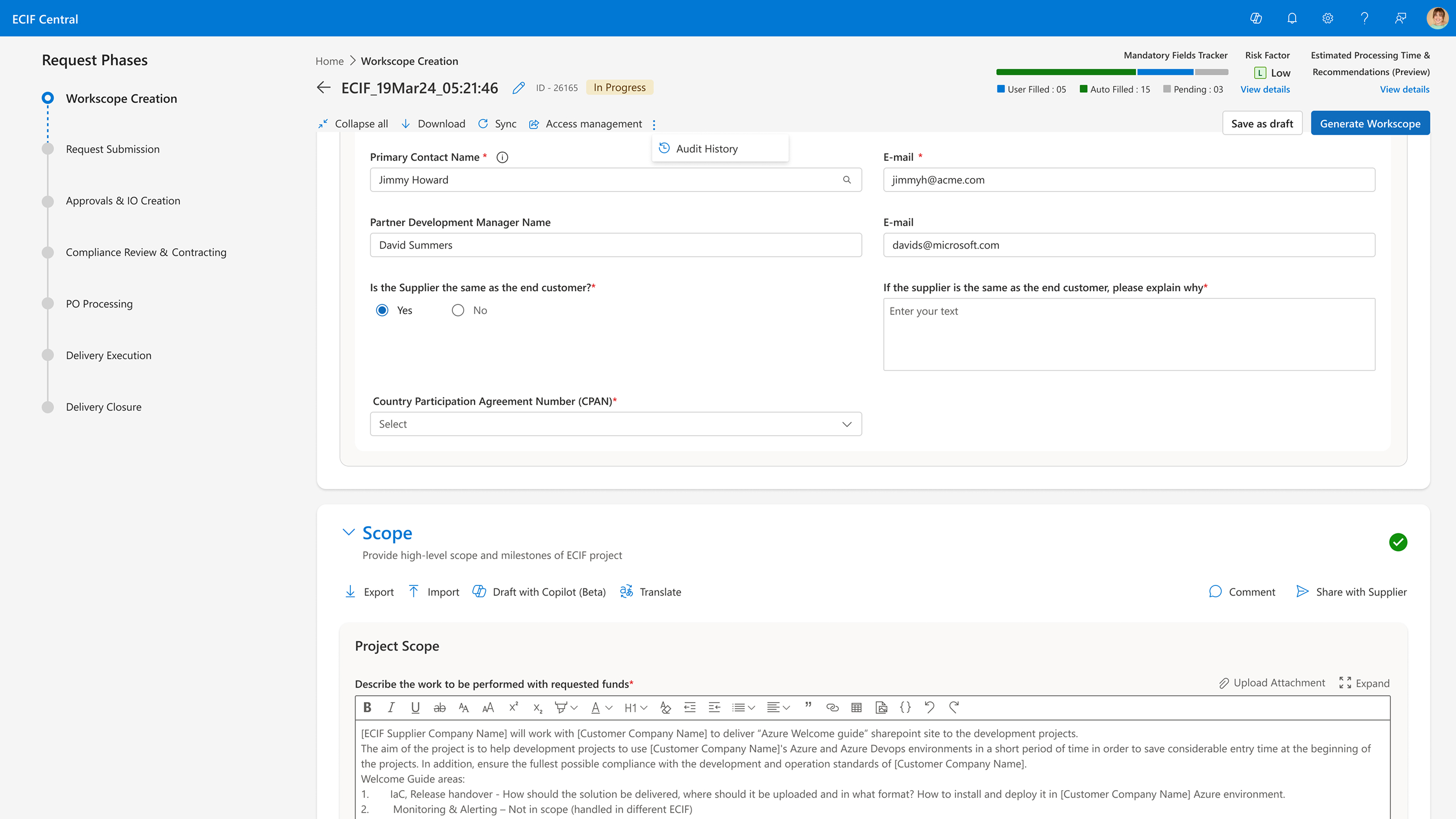
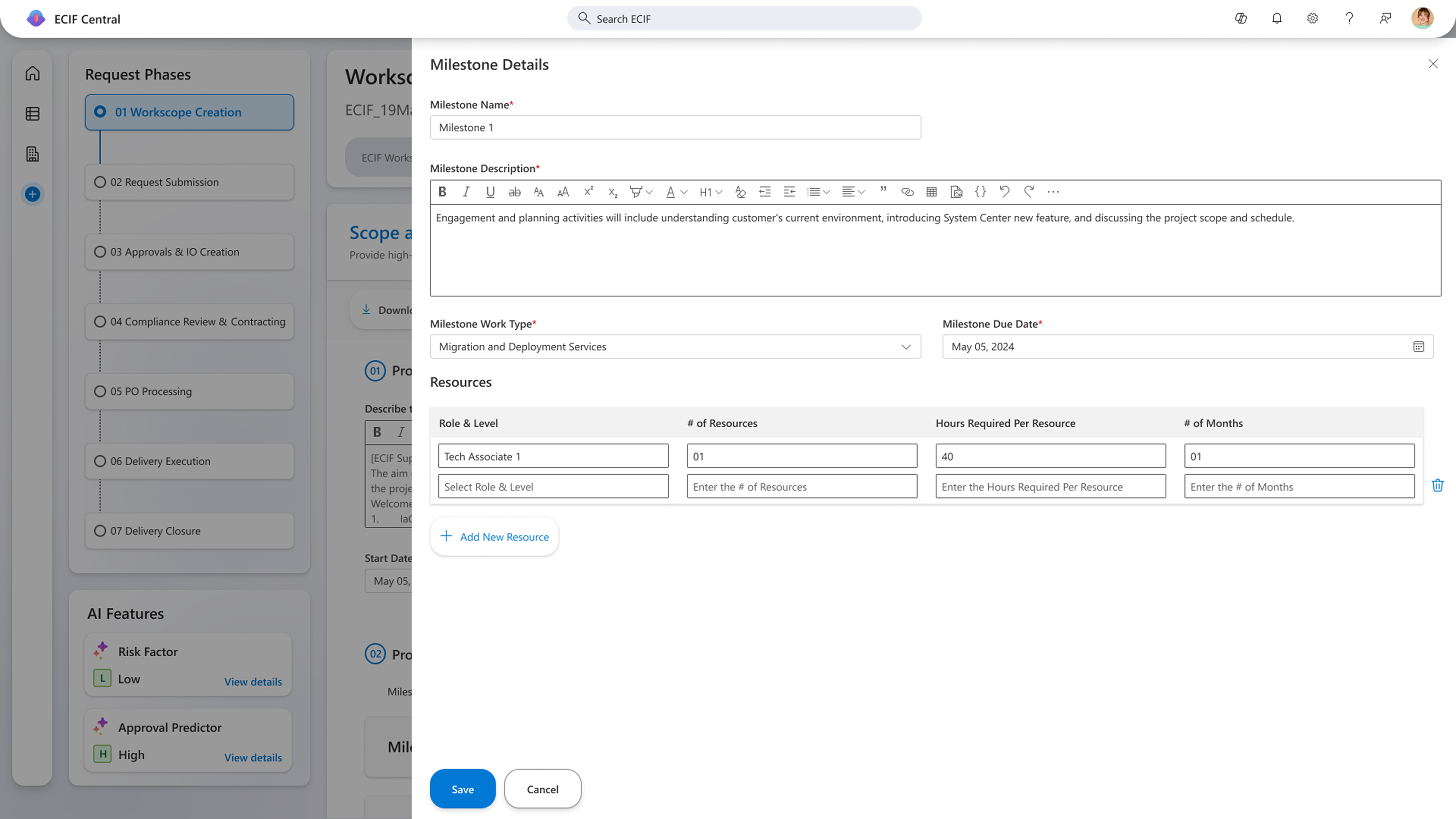
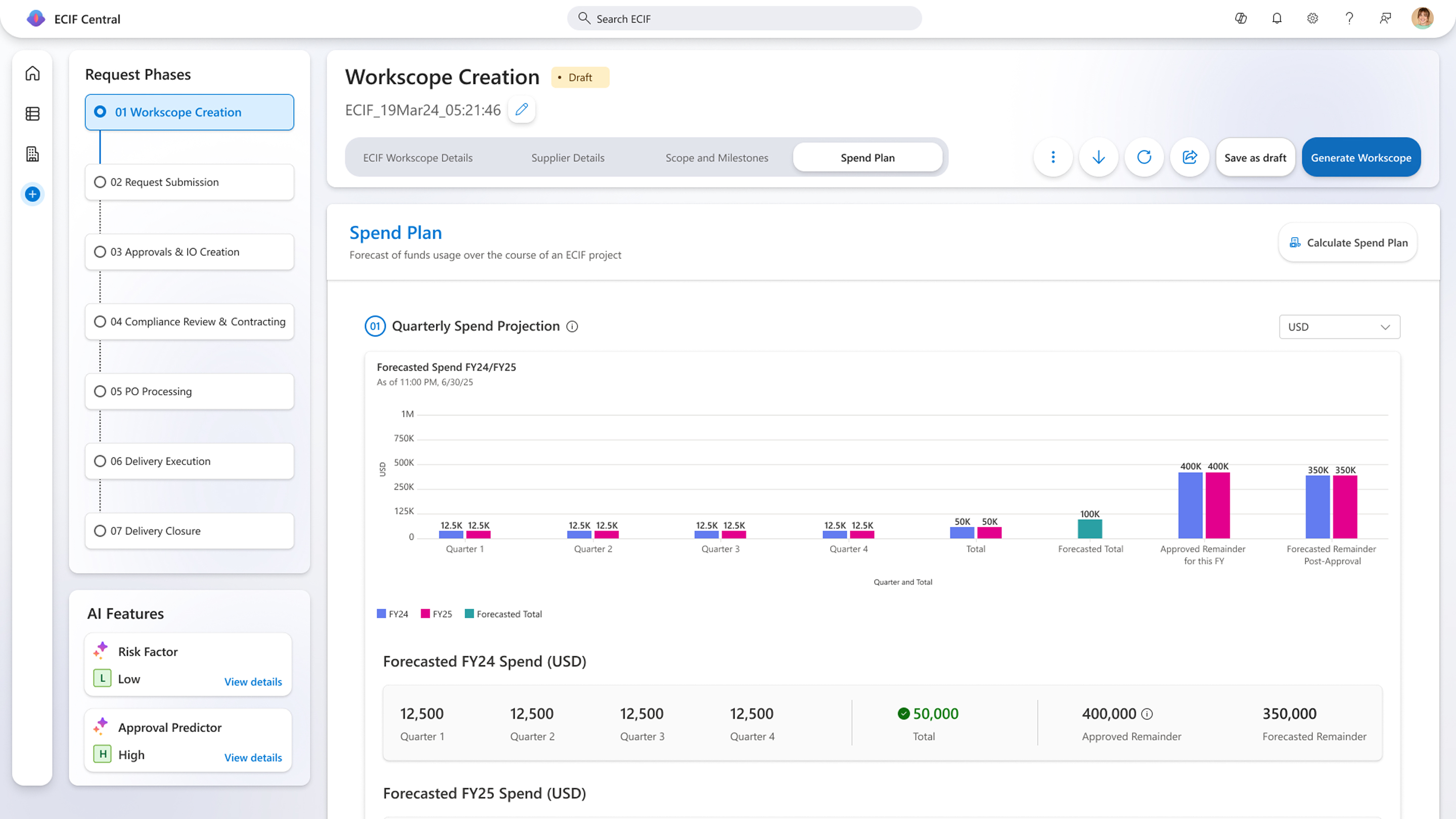
Detailed end-to-end flows show how sellers and suppliers collaborate on a single ECIF request, from initial workscope definition to delivery and closure.
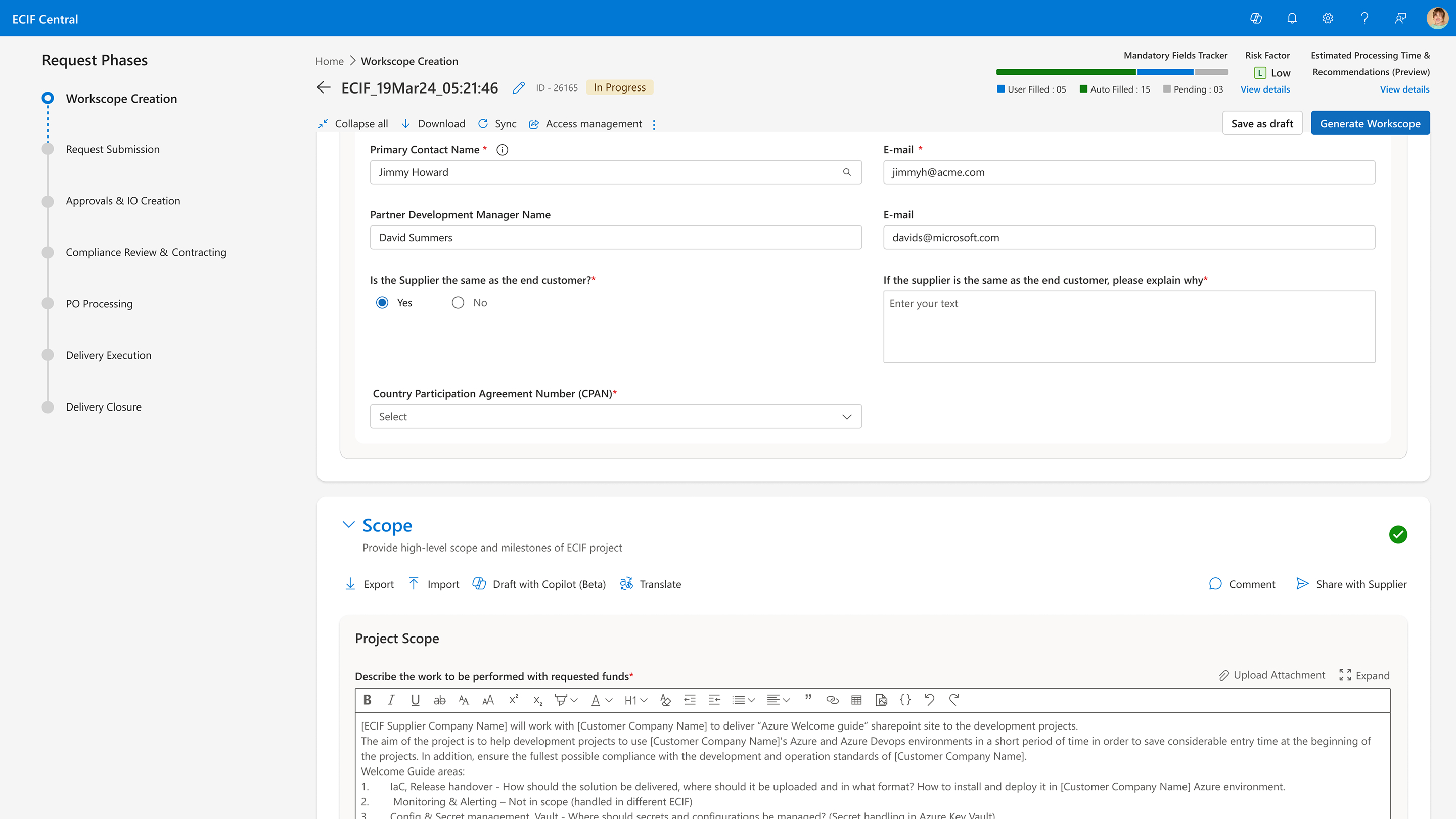
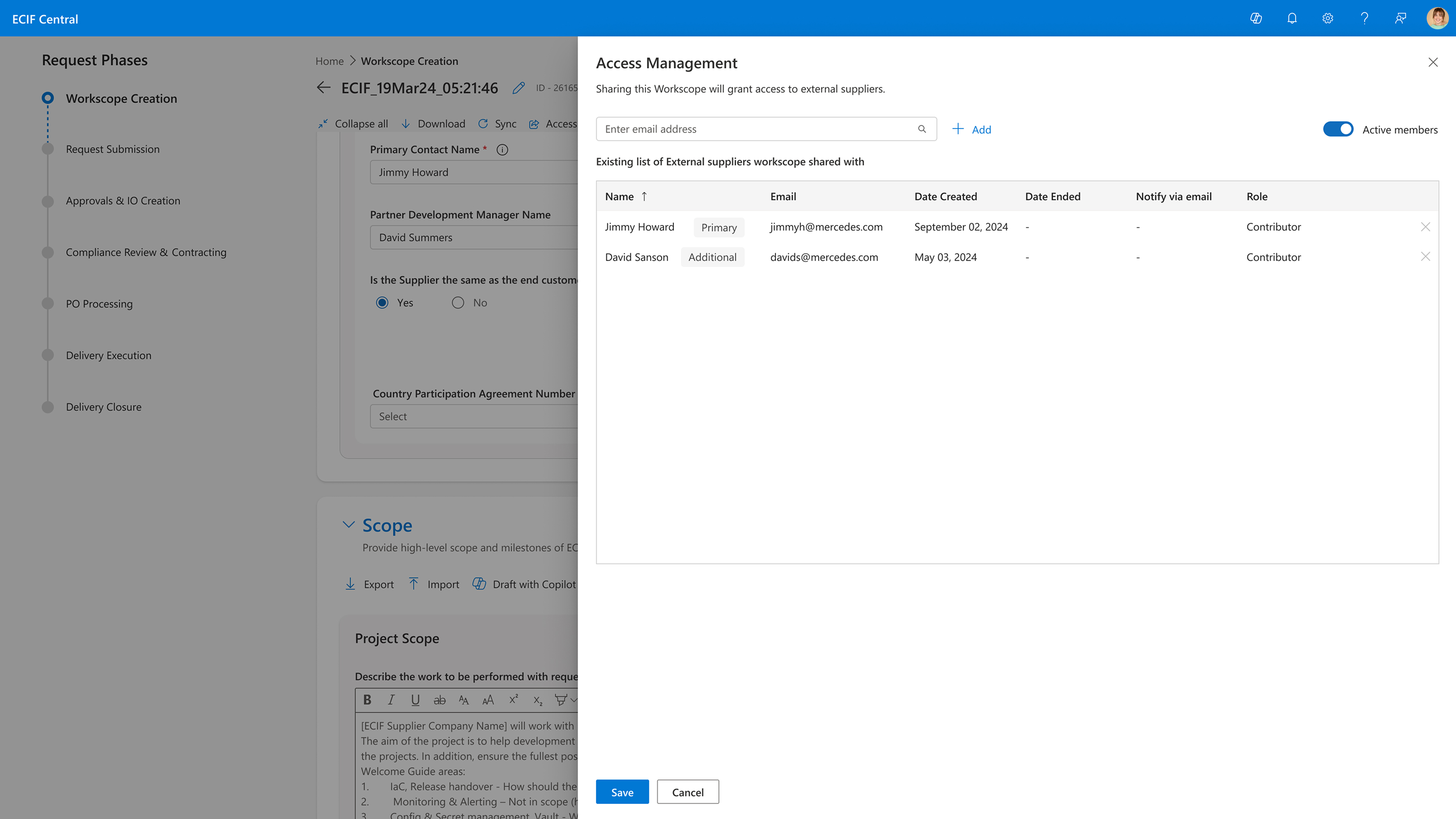
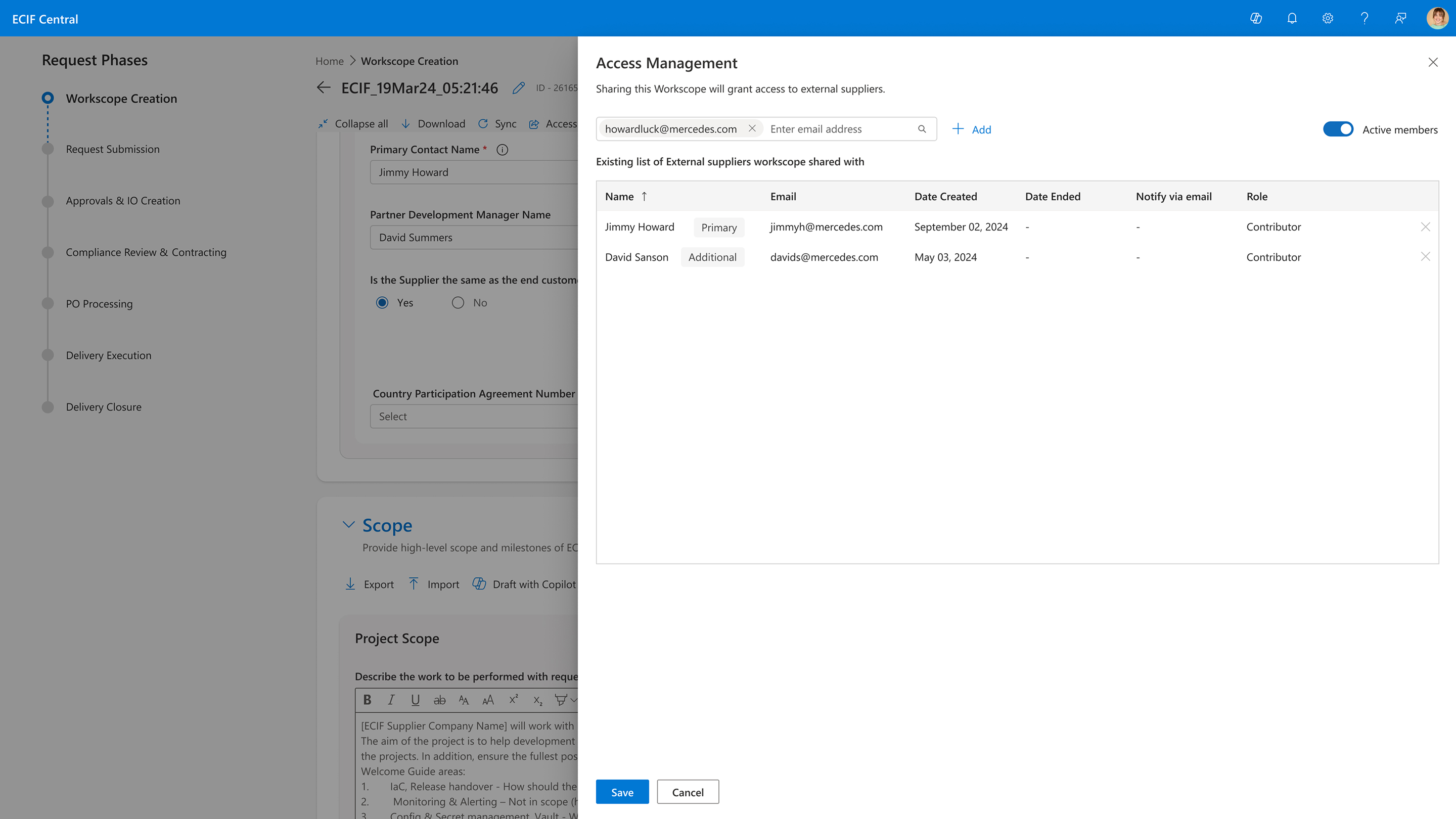
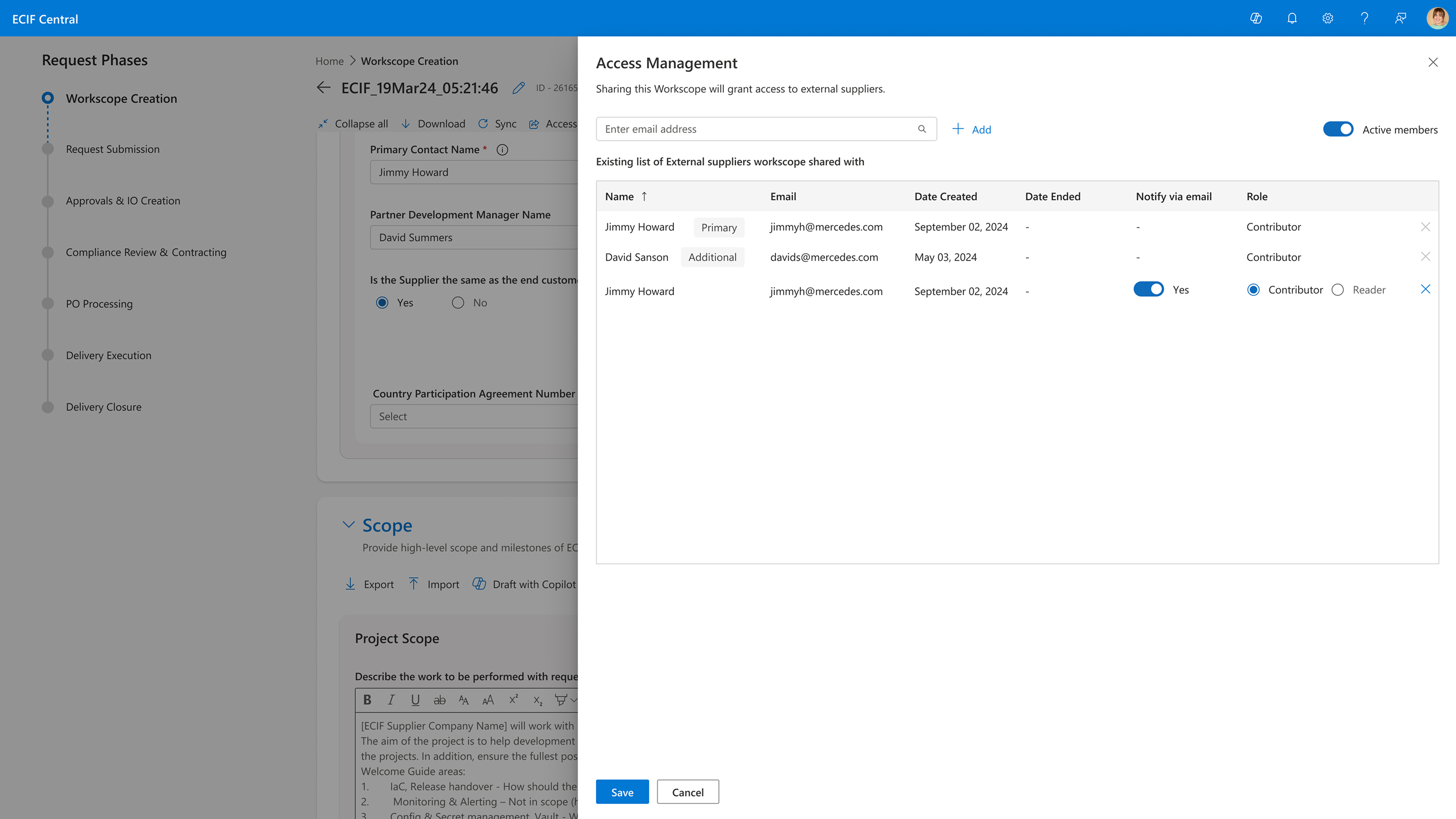
Design – Access Management
Access management patterns ensure the right stakeholders see the right level of detail on sensitive funding data.
Design – Audit History
Audit history screens visualize who changed what, and when, for key fields like funding amounts, milestones, and ownership.
Design – Draft with Copilot
Draft with Copilot is integrated directly into the existing flows so sellers and suppliers can generate and refine descriptions without extra steps.
Design – Proposed Designs 1
First design direction exploring layout, navigation patterns, and information density for the core ECIF experience.
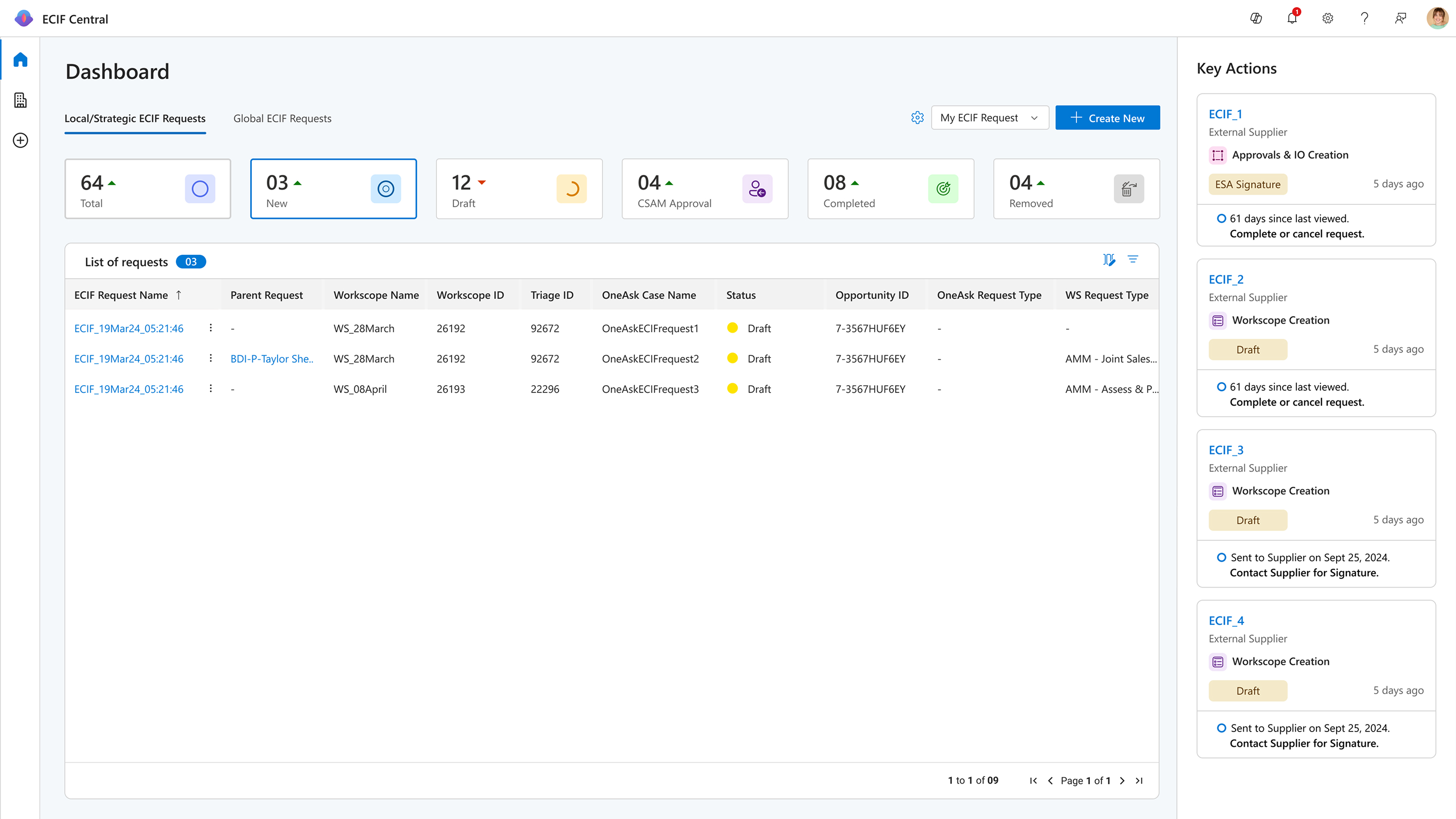
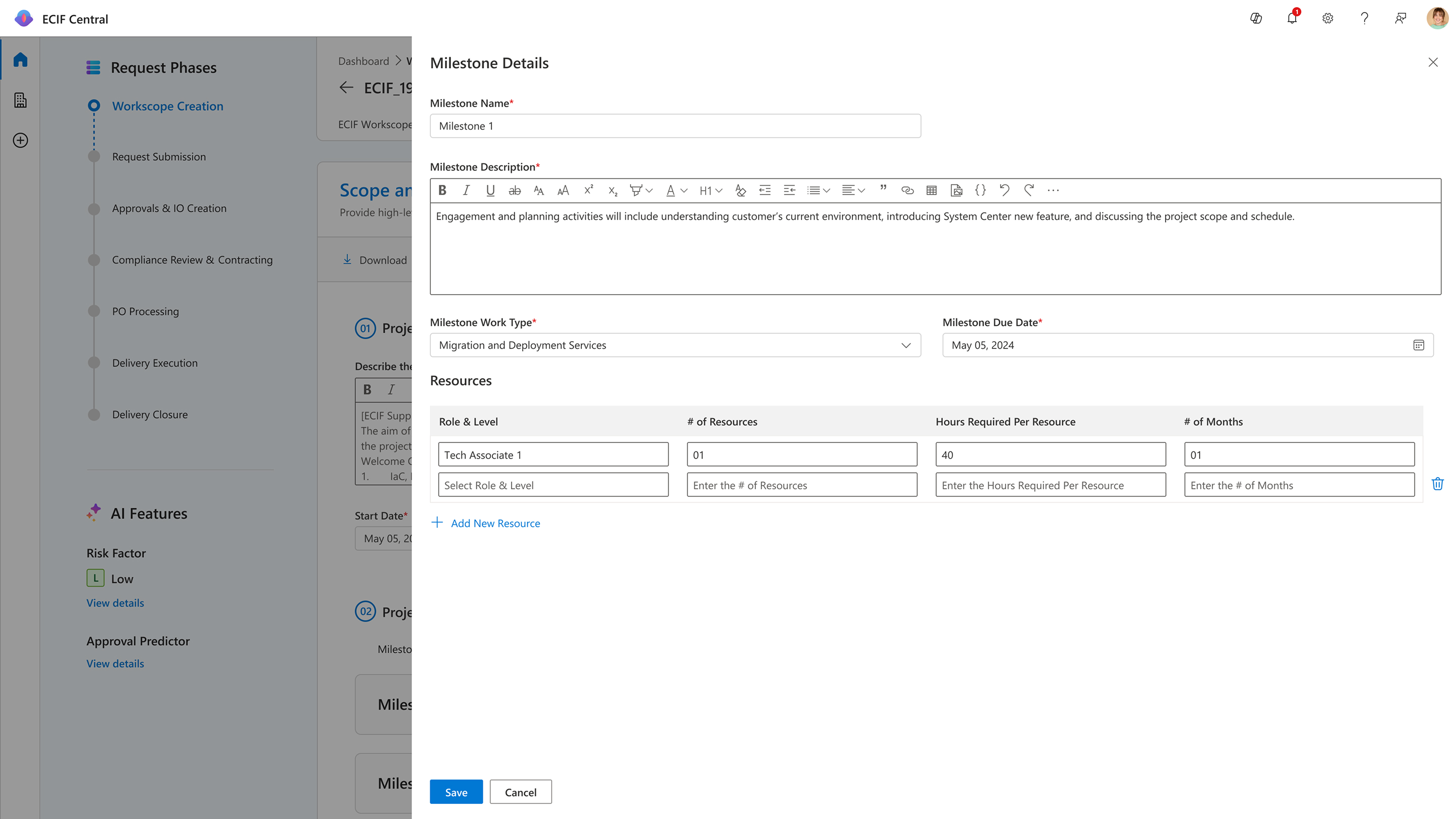
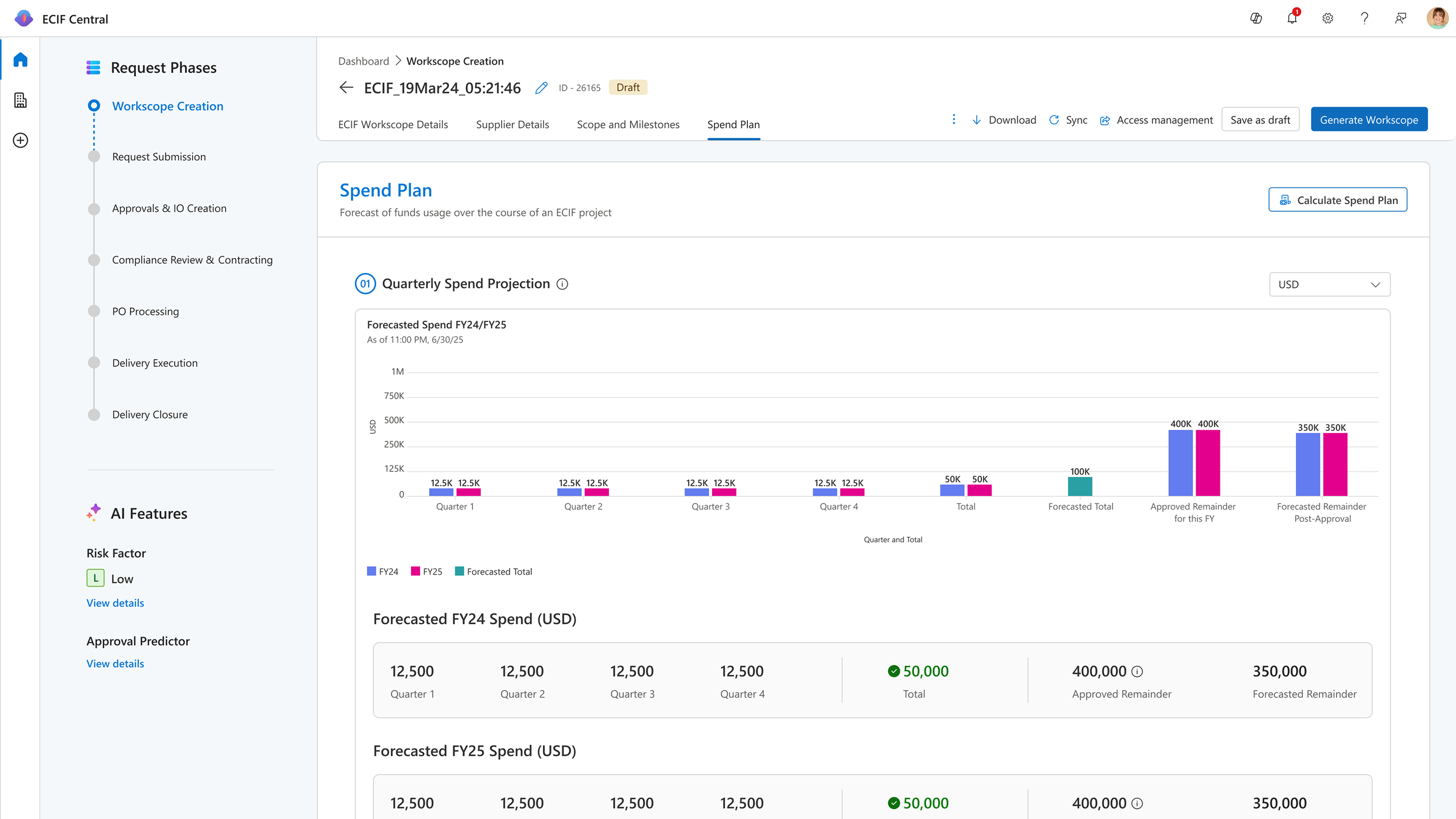
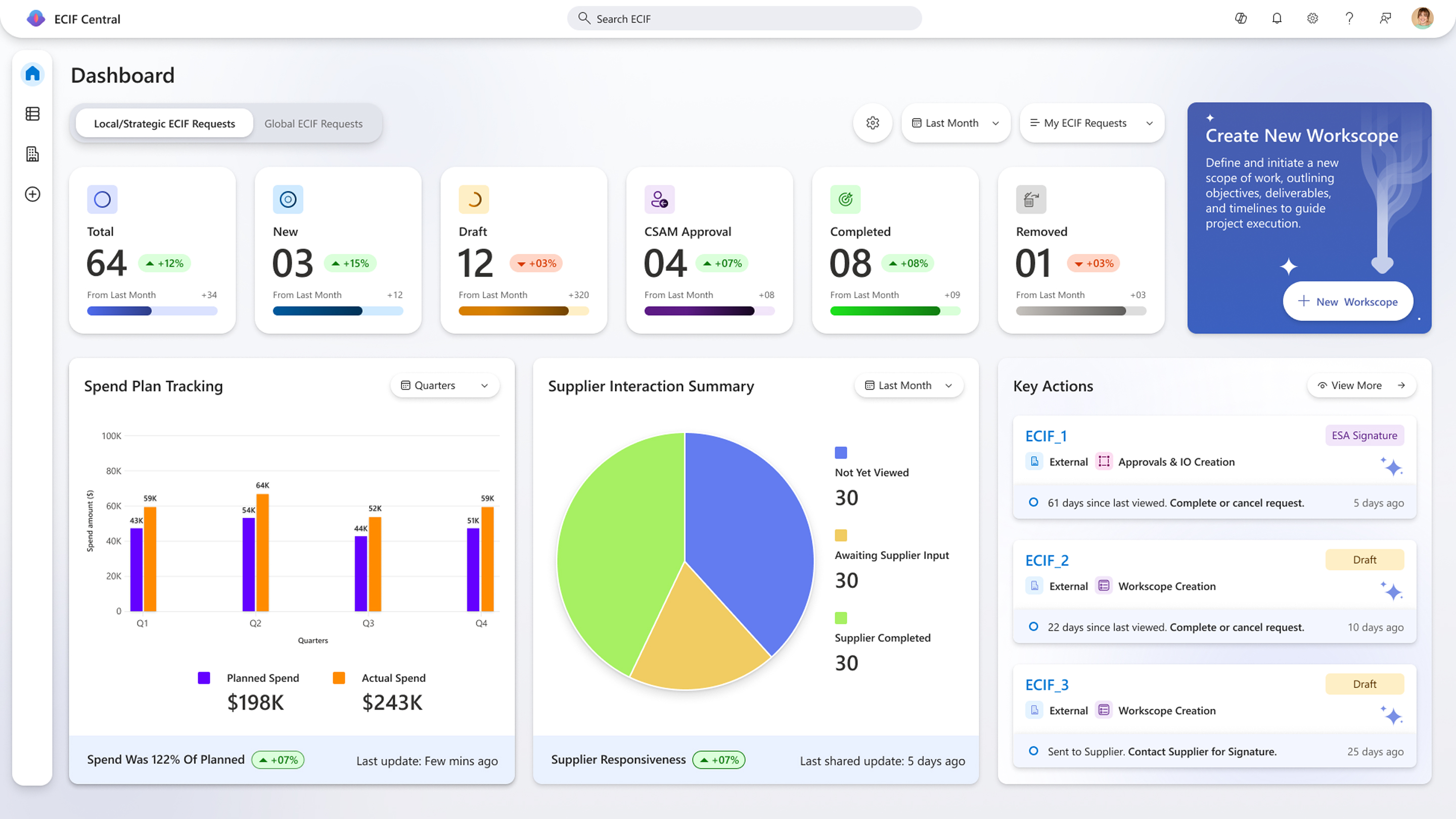
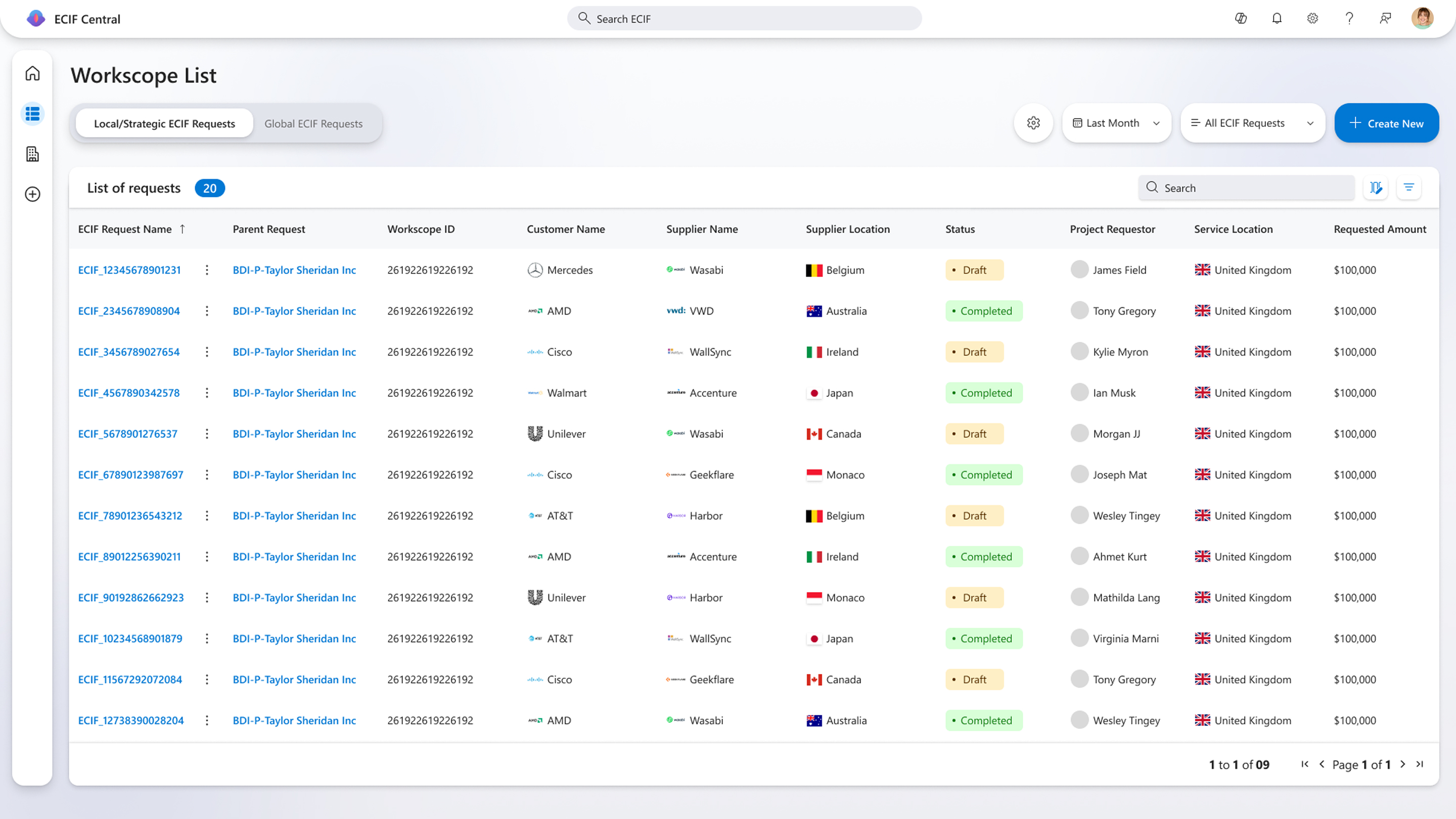
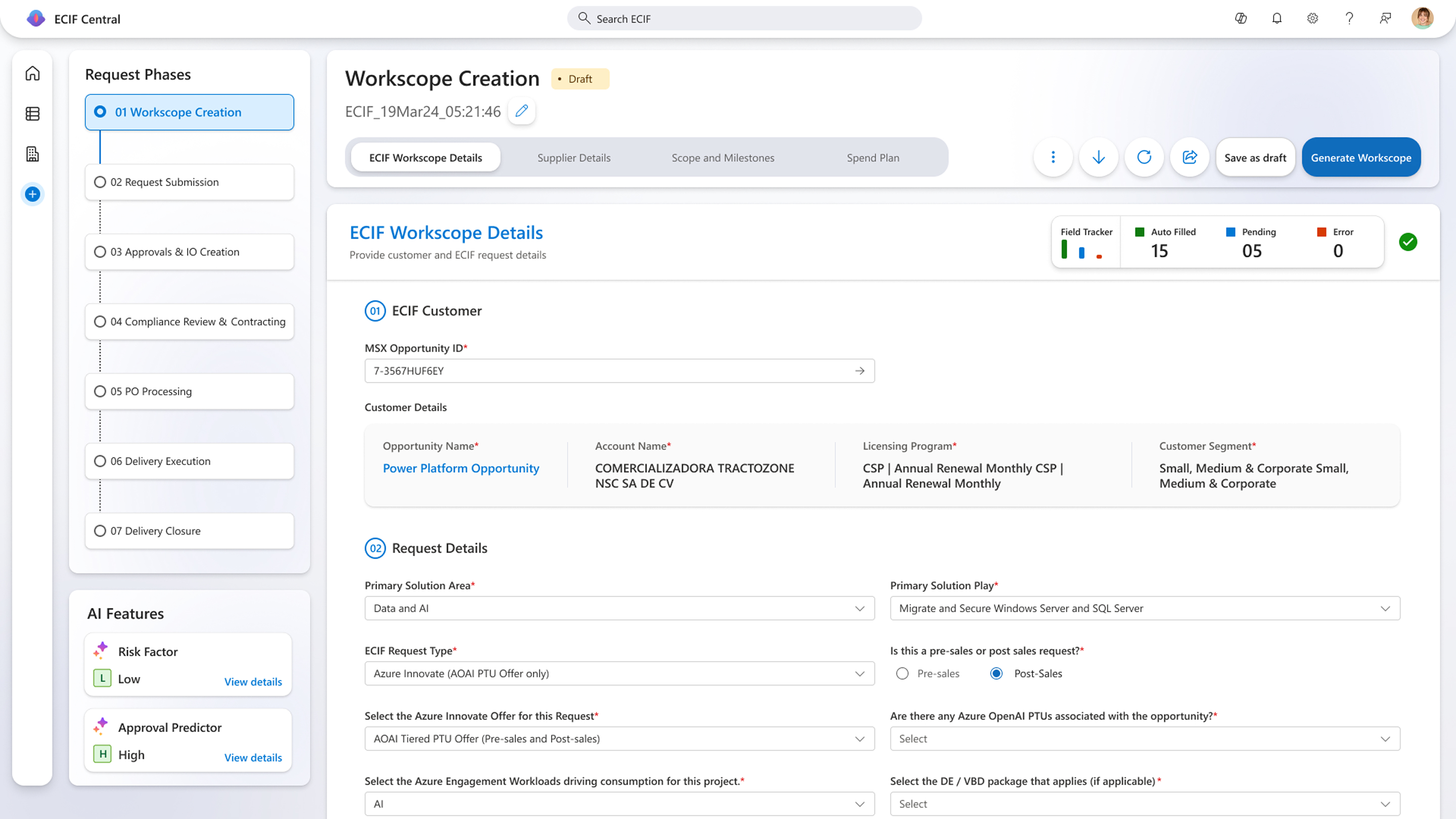
Design – Proposed Designs 2
Second design direction exploring alternative interaction patterns and visual treatments for key workflows.
Impact at Scale
The new ECIF platform replaced brittle Excel-and-email workflows with a scalable, transparent web experience. Sellers now spend less time on admin and more time with customers, while operations and finance teams have the auditability and control they need to run a multi-billion-dollar program with confidence.
What this project shows about my work
- Transforming complexity: Ability to take opaque, spreadsheet-heavy enterprise workflows and redesign them into clear, scalable product experiences.
- Research-led AI: Using user research to identify high-value opportunities for AI instead of bolting it on as a buzzword.
- End-to-end ownership: Owning UX from discovery through deployment as a solo designer, partnering tightly with PMs, engineering, and operations.